
A Summer’s End – Hong Kong, 1986
Play A Summer’s End – Hong Kong, 1986
A Summer’s End – Hong Kong, 1986 Screenshots







A Summer’s End – Hong Kong, 1986 review
Explore the acclaimed romantic visual novel set in 1980s Hong Kong
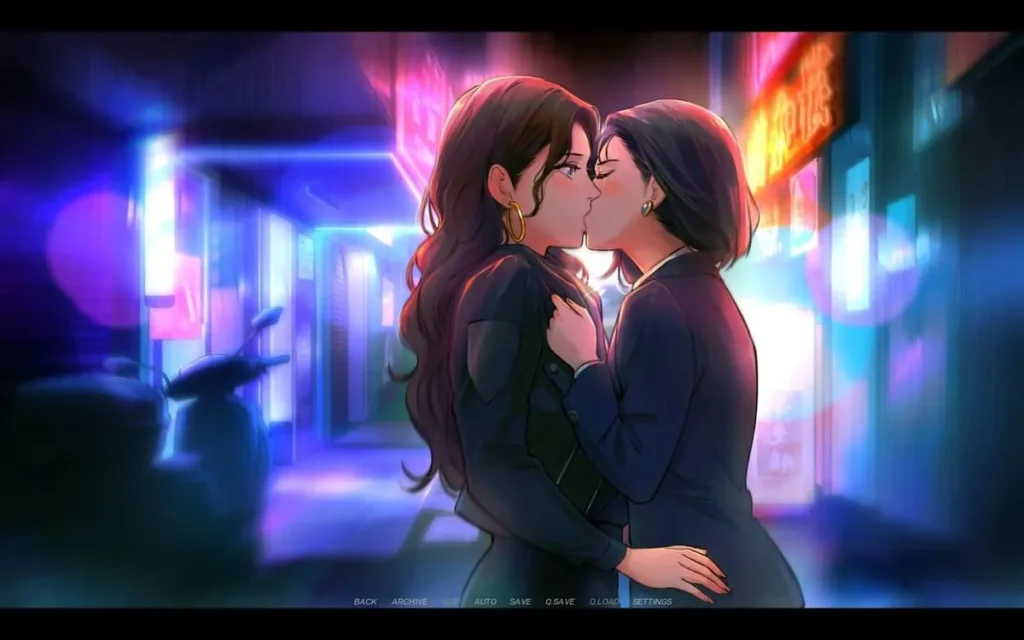
A Summer’s End – Hong Kong 1986 stands as a captivating visual novel that transports players to the vibrant streets of 1980s Hong Kong. Developed by Oracle and Bone, this indie game weaves together romance, cultural exploration, and historical context into an unforgettable narrative experience. The story follows Michelle, a young professional whose chance encounter during the summer of 1986 leads to an unexpected romance that challenges her carefully constructed life. Set against the backdrop of the Sino-British Joint Declaration and Hong Kong’s uncertain future, this visual novel explores themes of identity, family, and love in a rapidly changing world. Whether you’re a visual novel enthusiast, LGBTQ+ gaming fan, or someone seeking a meaningful interactive story, A Summer’s End offers a compelling journey through one transformative summer.
Story, Characters, and Setting of A Summer’s End – Hong Kong 1986
Imagine a day where everything goes wrong. You’re late, you’re flustered, and then—snap—the strap on your favorite shoe gives way. It feels like the universe is conspiring against you. But what if that moment of frustration was actually the first step toward something beautiful? Something that would completely reroute the path of your life? This is precisely where the A Summer’s End Hong Kong 1986 story begins, turning a mundane mishap into the catalyst for one of the most heartfelt narratives in gaming.
The game masterfully uses this simple accident to explore a profound visual novel romance plot, reminding us that the biggest adventures often start with the smallest stumbles. It’s a story that doesn’t just tell a love story; it immerses you in a specific time and place, making you feel the humidity in the air, hear the city’s buzz, and sense the undercurrent of history in the making. Let’s pull up a chair at a neon-lit dai pai dong and dive into the world, characters, and pivotal setting that make this experience so unforgettable. 🌆✨
The Plot: A Chance Meeting That Changes Everything
Our story opens on Michelle, a young office worker navigating the relentless pace of 1980s Hong Kong. She’s pragmatic, a bit worn down by routine, and focused on her career and family duties. Then, a broken heel sends her tumbling—quite literally—into the orbit of Sam, a free-spirited, independent woman from Vancouver visiting her hometown. What begins as a simple act of kindness (Sam offers Michelle a spare pair of shoes) quickly blossoms into a tentative, electrifying friendship.
The genius of this visual novel romance plot lies in its beautiful, slow-burn authenticity. This isn’t a whirlwind fantasy; it’s a cautious, believable exploration of two people discovering a connection they didn’t know they were looking for. Their relationship develops over shared meals, late-night phone calls, and walks through the city, with Michelle’s initial wariness gradually melting under Sam’s genuine and patient warmth. The narrative becomes a delicate dance between burgeoning desire and the weight of societal and familial expectations.
Player agency is central here. Your visual novel endings choices aren’t about grand, life-or-death decisions, but subtle, human moments. Do you encourage Michelle to open up, or hold back? Do you prioritize her career obligations or her personal happiness? Each dialogue choice and action nudges Michelle and Sam’s relationship along one of two deeply emotional paths. The game excels at making you feel the tension of these choices, as they often pit the heart against very real-world pressures. Your journey through this A Summer’s End Hong Kong 1986 story is uniquely yours, shaped by the empathy and priorities you bring to Michelle’s shoes.
Main Characters: Michelle and Sam’s Journey
At the heart of this poignant LGBTQ visual novel narrative are two characters rendered with such care and nuance that they feel like people you might actually know. Their individual journeys and their journey together form the unforgettable core of the experience.
Michelle is our window into this world. She represents the pressures of her time: filial duty, professional ambition, and the unspoken rules of society. Her initial reserve isn’t just shyness; it’s a protective shell formed by years of meeting others’ expectations. Watching her cautiously unfold, question her own desires, and find the courage to pursue them is the story’s greatest reward. Her conflict is deeply relatable—it’s the universal struggle between who we are expected to be and who we truly are.
Then there’s Sam, a breath of fresh air from the West. Confident, artistic, and openly queer, she represents a world of possibilities Michelle hasn’t allowed herself to consider. Sam isn’t a “manic pixie dream girl” trope; she has her own vulnerabilities, her own complex relationship with Hong Kong as a returning diaspora, and her own fears about being truly seen. The chemistry between the Michelle and Sam characters is built on a foundation of mutual respect and growing understanding, not just instant attraction.
Supporting them is a small but impactful cast, most notably Joey, Michelle’s well-meaning but clueless coworker who is pursuing her. Joey isn’t a villain; he’s a symbol of the “expected” path—a nice, conventional match that society and Michelle’s family would easily approve of. His presence subtly heightens the stakes of Michelle’s internal conflict, making her real desires shine all the brighter in contrast.
To help keep track of these pivotal personalities, here’s a brief overview:
| Character | Role & Background | Significance to the Story |
|---|---|---|
| Michelle | A local Hong Kong office worker in her 20s, balancing career ambitions with traditional family duties. | The protagonist whose journey of self-discovery we follow. Her internal conflict between duty and desire drives the entire narrative. |
| Sam (Samantha) | A visiting artist from Vancouver, returning to her Hong Kong roots. Openly queer and independent. | The catalyst for change. She represents an alternative way of living and loving, challenging Michelle’s worldview and offering gentle support. |
| Joey | Michelle’s colleague, a kind but traditional suitor from her office. | Embodies the “safe,” socially-approved path for Michelle. His presence highlights the cultural and personal cost of following her heart. |
The beauty of the Michelle and Sam characters is how their relationship is portrayed with hope and tenderness. The game thoughtfully engages with themes of homophobia and complex family dynamics, but it consciously avoids tragic tropes. Instead, it focuses on the quiet courage of everyday life and the profound personal revolution that comes from choosing to be authentic. ❤️🌱
Historical Context: Hong Kong in 1986
The 1980s Hong Kong setting is far more than just aesthetic window dressing—it’s a vital, breathing character in the story. The year 1986 hangs in a delicate, pivotal moment in history. Just one year prior, the Sino-British Joint Declaration was signed, setting the countdown clock for Hong Kong’s handover from British to Chinese rule in 1997. A palpable sense of uncertainty about the future hums beneath the city’s vibrant surface.
This historical tension mirrors Michelle and Sam’s personal journey perfectly. Michelle’s struggle with her identity and future is a microcosm of the city’s own existential questioning. The game doesn’t hit you over the head with history lessons; instead, it lets you feel it in the conversations of side characters, in the news snippets on the radio, and in the general atmosphere of a place caught between its colonial past and an uncertain future. This intelligent integration of politics and personal life makes the A Summer’s End Hong Kong 1986 story incredibly rich and resonant.
Exploring this unique Sino-British Joint Declaration game context adds layers of meaning to every interaction. The characters aren’t just living through history; they are being shaped by it, their personal choices framed by larger cultural and political shifts. The game’s incredible attention to period-accurate detail—from the fashion and music to the iconic locations and slang—builds an immersive world that feels authentically lived-in. You’re not just watching a romance; you’re visiting a specific time and place, understanding how its unique pressures would shape the hearts and minds of the people there.
“The city is changing… and so am I.”
This line from the game beautifully encapsulates its core theme. It’s a quote that could refer to the skyline, the political landscape, or a person’s heart. The genius of the narrative is how it intertwines all three, showing that personal and historical transformation are often inextricably linked. 🏙️➡️🏞️
Ultimately, your visual novel endings choices lead to conclusions that feel earned and true to the characters you’ve helped shape. Whether the path leads to a brave new beginning or a bittersweet parting, each ending respects the weight of the story’s themes. The LGBTQ visual novel narrative concludes not with a simplistic “happily ever after,” but with a powerful, hopeful statement about the cost and necessity of living truthfully, set against the backdrop of a city—and an era—forever in flux.
The A Summer’s End Hong Kong 1986 story succeeds because it understands that the most epic love stories are often the quiet ones, and that the most compelling drama lies in the intersection of a person’s inner truth and the world they live in. It’s a journey that stays with you, a beautiful snapshot of a moment in time where everything, for two people and for a city, was poised on the brink of profound change.
A Summer’s End – Hong Kong 1986 represents a standout achievement in visual novel storytelling, successfully blending romance, cultural exploration, and historical context into a cohesive and emotionally resonant experience. Through its compelling narrative centered on Michelle and Sam’s unexpected connection, the game explores profound themes of identity, family, and love against the backdrop of a transformative moment in Hong Kong’s history. The game’s meticulous attention to visual and audio design—from its hand-drawn art inspired by 1980s anime to its vaporwave-infused soundtrack—creates an immersive atmosphere that transports players to a specific time and place. What truly distinguishes A Summer’s End is its nuanced approach to sensitive topics like homophobia and family conflict, handled with authenticity and emotional depth rather than melodrama. Whether you’re drawn to visual novels for their storytelling, seeking LGBTQ+ representation in gaming, or simply looking for a meaningful interactive experience that respects your time and intelligence, A Summer’s End delivers on all fronts. This indie gem proves that compelling narratives don’t require massive budgets—they require passion, cultural authenticity, and a genuine desire to tell a story that matters. If you haven’t experienced this summer romance set in 1986 Hong Kong, it’s time to discover why players and critics alike consider it a must-play visual novel.