Grandma’s House
Play Grandma’s House
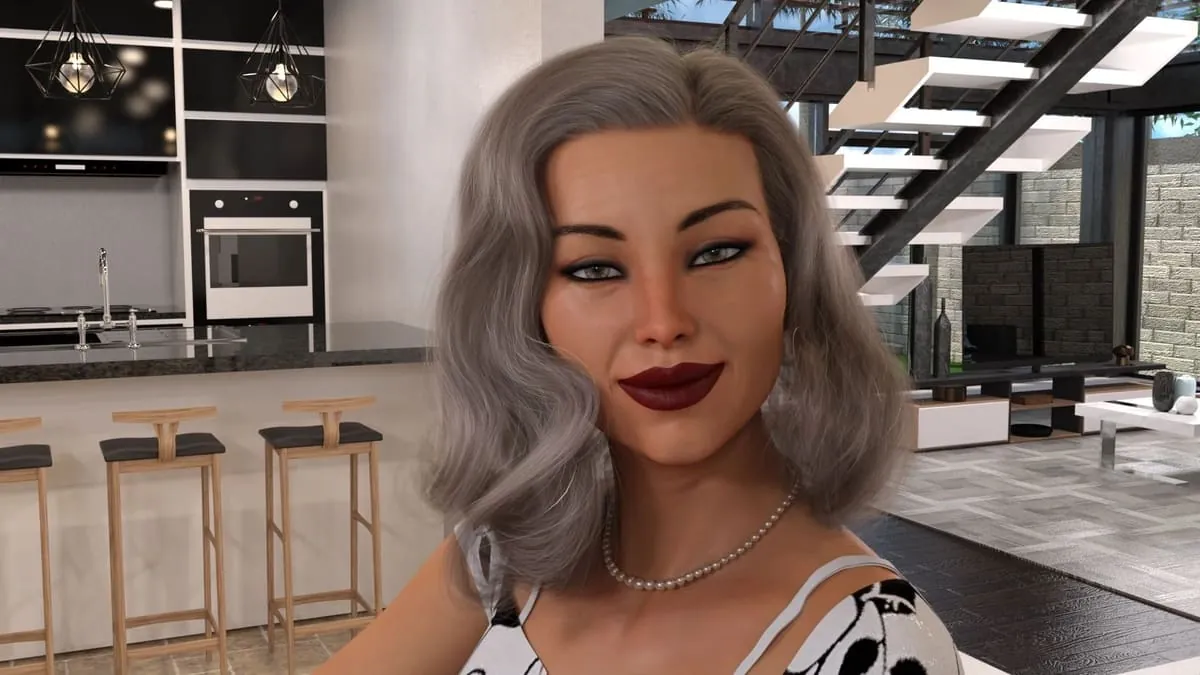
Grandma’s House Screenshots













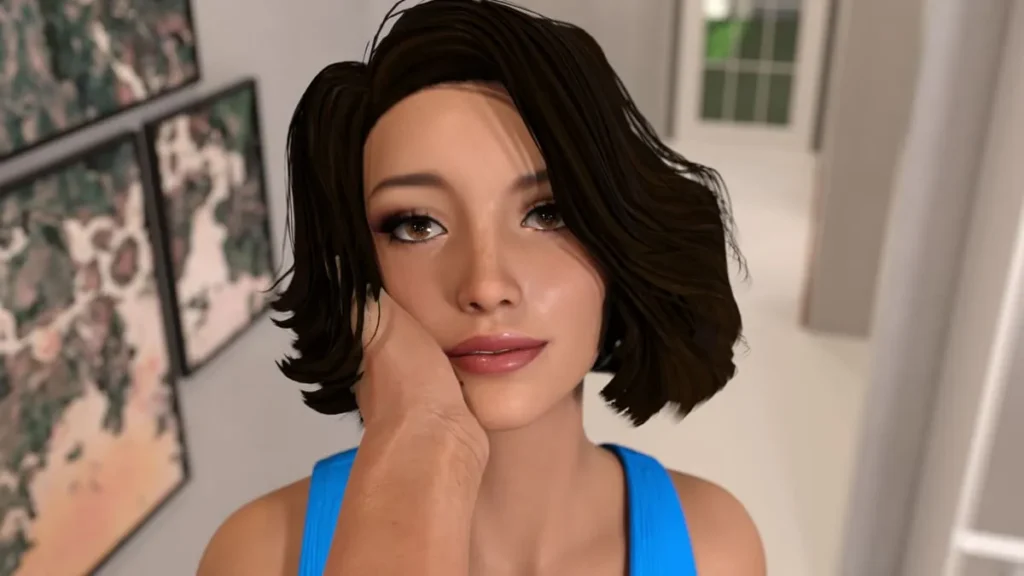
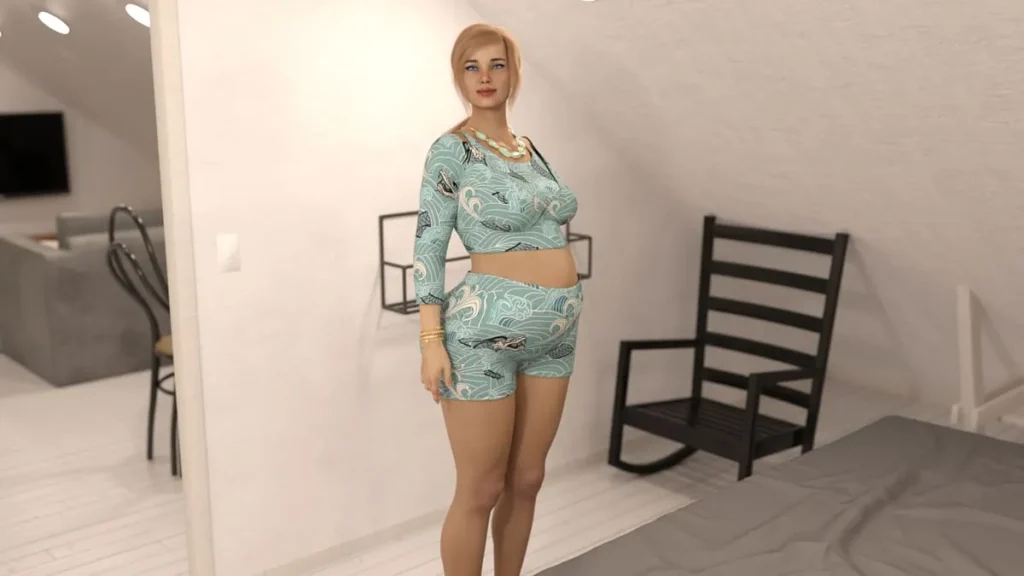


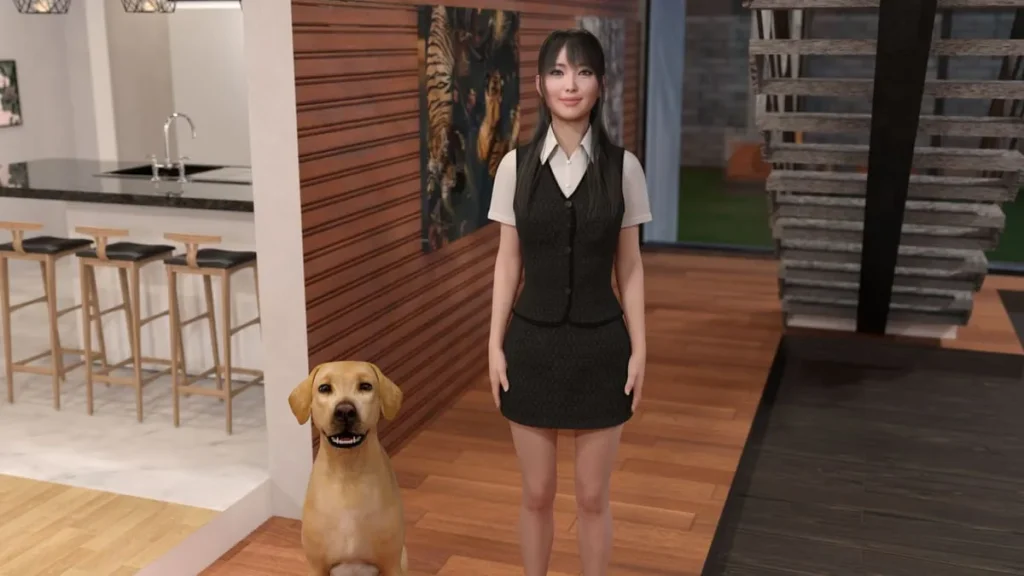



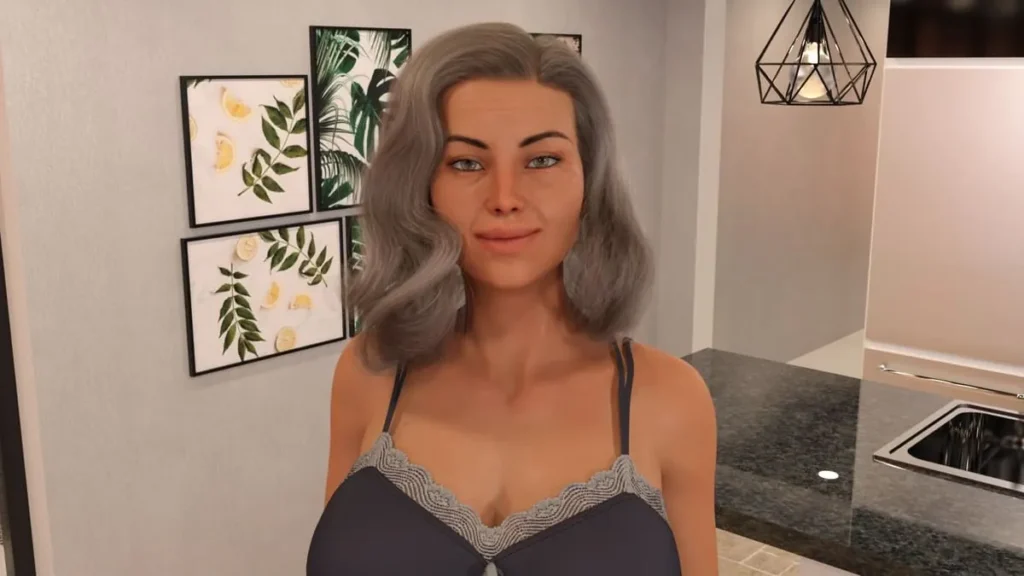



Grandma’s House review
Explore storylines, characters, and gameplay mechanics in this indie AVN title
Grandma’s House stands out as a notable indie adult visual novel developed by Moonbox Games. This game has gained attention within the AVN community for its narrative-driven approach and character-focused storytelling. Unlike many titles in the genre that prioritize rapid progression, Grandma’s House emphasizes character development and relationship building over time. The game follows a protagonist returning home from college and navigating complex family dynamics and relationships. For players interested in story-rich adult games with meaningful character arcs, understanding what makes this title unique can help determine if it aligns with your gaming preferences.
Story, Setting, and Character Development in Grandma’s House
Ever returned to a place from your childhood, only to find everything feels different—including you? That’s the exact feeling Grandma’s House visual novel story masterfully captures. You’re not a conqueror in a fantasy realm or a CEO in a penthouse. You’re just a guy coming back from college, stepping into the quiet, sun-dappled chaos of a family home that’s been waiting for you. This indie adult visual novel narrative from Moonbox Games trades epic stakes for intimate, human-scale drama, and in doing so, creates something profoundly memorable. 🏡
The magic of this title isn’t in flashy mechanics or over-the-top plots. It’s in the silence between conversations, the shared glances, and the slow, deliberate way trust is built. If you’re tired of visual novels where relationships feel like a checklist, you’ve found your new home.
The Core Narrative and Setting
The premise of Grandma’s House is beautifully simple, which is the foundation of its strength. After finishing college, your character returns to his grandmother’s spacious, welcoming home. It’s a place of nostalgia, comfort, and new beginnings. But you’re not alone. The house is a bustling hub, filled with a eclectic mix of women—family, friends, and new faces—each navigating their own lives. Your role isn’t to swoop in and fix everything; it’s to reconnect, listen, and gradually become part of their world again.
This setting is the game’s genius. By placing the story in a familiar, domestic environment, Moonbox Games Grandma’s House creates a stage for authentic interaction. Conversations happen in kitchens over coffee, on porches at sunset, or during lazy afternoons in the living room. The stakes are emotional, not existential. Will you rebuild a strained connection with a cousin? Can you offer support to a friend going through a tough time? This focus on daily life makes every small moment of connection feel earned and significant. It’s a refreshing approach to relationship progression in adult games, where the “adult” elements feel like a natural outgrowth of deep, caring relationships, not the sole objective.
The environment itself is a character. The house, with its cozy corners and sunlit rooms, provides a sense of safety and continuity. It’s a sanctuary where these complex characters can let their guards down, and where you, the player, get to witness their true selves. This isn’t a story about escaping reality, but about delving deeper into it.
Character Progression and Relationship Mechanics
Forget simple affinity meters or dialogue trees that blatantly signpost “romantic option.” The AVN character development mechanics in Grandma’s House are subtle, nuanced, and demand your attention. Relationships aren’t advanced by spamming gifts or always picking the obviously flirty option. In fact, doing that might backfire spectacularly. 🚫
Instead, progression is tied to character trust building gameplay. Each character has her own history, personality, and emotional walls. Your choices—what you say, how you listen, and when you offer space—directly impact how they perceive you. The game tracks this through an invisible system of trust and rapport. A character like Polly, who is cautious and has her own struggles, will shut down if you come on too strong. She needs to see consistency, kindness, and respect over time before she can even consider opening up.
To understand the diverse cast you’ll be engaging with, here’s a breakdown of the key characters and what makes their stories tick:
| Character | Role in Story | Relationship Progression Speed | Key Personality Traits |
|---|---|---|---|
| Polly | A central figure dealing with personal anxiety and uncertainty about her future. | Very Slow & Deliberate | Cautious, thoughtful, introspective, requires genuine patience and emotional safety. |
| Allie (Nana) | The heart of the home, your grandmother who ties everyone together. | N/A (Family Bond) | Wise, nurturing, observant, provides guidance and a moral center for the story. |
| Veena | A confident and outgoing friend with a vibrant personality. | Moderate to Fast | Playful, direct, socially confident, but with hidden layers of depth. |
| Sandra | A mature, sophisticated neighbor with a complex life. | Moderate (but depth-dependent) | Elegant, private, experienced, values meaningful intellectual and emotional connection. |
| Karen | A family friend with a bold and sometimes brash exterior. | Variable (can be rocky) | Assertive, spirited, can be confrontational, but fiercely loyal. |
| Fiona | A newer character introduced in later updates, bringing fresh dynamics. | To be discovered through play | Energetic, modern, and adds a new social dynamic to the existing group. |
This table shows the deliberate design behind the Grandma’s House visual novel story. Notice the “progression speed” isn’t a rating of quality, but a reflection of character authenticity. Polly’s slow burn is what makes her arc so rewarding. Meanwhile, connecting with Veena might feel more immediately responsive, but that doesn’t mean her story lacks depth. Each path is a unique narrative experience, asking you to adapt your approach. This is where the game truly shines in its AVN character development mechanics—it treats its characters as real people with real boundaries.
“I believe a connection formed over time, with setbacks and quiet moments, is infinitely more powerful than one forced by player expectation. If you rush, the characters will rebel. They have to feel real to me first, before they can feel real to you.” — Developer insight on pacing.
How Grandma’s House Approaches Pacing and Character Trust
So, how does Grandma’s House pacing work? In one word: organically. The game operates on an in-game calendar, with days and weeks passing. You can’t rush. Certain events and conversations only unlock after specific amounts of time have passed or after other story beats have been resolved. This episodic, real-time feel is crucial to the indie adult visual novel narrative that Moonbox Games has crafted.
This philosophy directly answers the question of how does Grandma’s House pacing work to build meaningful bonds. Let’s take Polly as a case study. Early on, she’s hesitant. Pushing for deep personal conversations or physical affection will result in her pulling away, a form of “character rebellion” the developer mentions. The game requires you to engage in low-stakes interactions—helping with a small task, sharing a casual meal, simply being present without pressure. These moments fill an invisible “trust reservoir.” Only when that reservoir is full enough will the story allow for a deeper, more vulnerable scene to occur. This makes every milestone with her feel like a genuine achievement, not a purchased prize.
Contrast this with Sandra. Her progression might move at a different rhythm. She might be more open to certain types of conversations earlier, but she demands intellectual respect and discretion. Trying to treat her path the same as Polly’s or Veena’s won’t work. You have to listen to what each character responds to. This tailored pacing is the core of character trust building gameplay. It’s not about manipulating a system; it’s about demonstrating through repeated actions that you are a trustworthy person.
The Moonbox Games Grandma’s House development team has consistently emphasized this in their commentary. They’ve spoken about letting relationships “breathe,” allowing for moments of awkwardness, misunderstanding, and simple friendship to exist alongside romance. This approach creates a rich tapestry of interaction that makes the world feel alive. New characters, like Fiona, are woven into this existing fabric gradually across updates, ensuring the social ecosystem of the house evolves without feeling overcrowded or forced.
This deliberate relationship progression in adult games is what sets Grandma’s House apart. It asks for your patience and rewards it with a level of emotional payoff few other games in the genre attempt. You’re not just collecting scenes; you’re witnessing and participating in the growth of complex, beautifully written characters. You’re not just playing a game; you’re moving back into Grandma’s House, and discovering that home isn’t just a place—it’s the people you take the time to truly know. 🫂
Grandma’s House represents a distinctive approach within the adult visual novel genre by prioritizing character authenticity and meaningful relationship development over rapid progression. The game’s emphasis on letting characters develop trust naturally, with different pacing for different personalities, creates a more immersive narrative experience. Moonbox Games’ commitment to character-driven storytelling—where relationships feel earned rather than forced—appeals to players seeking depth alongside adult content. Whether you’re new to visual novels or an experienced player looking for story-rich experiences, understanding Grandma’s House’s unique approach to pacing and character development helps set appropriate expectations. If narrative depth and character authenticity matter to you in your gaming choices, this title offers a compelling experience worth exploring.