Lost in Paradise
Play Lost in Paradise
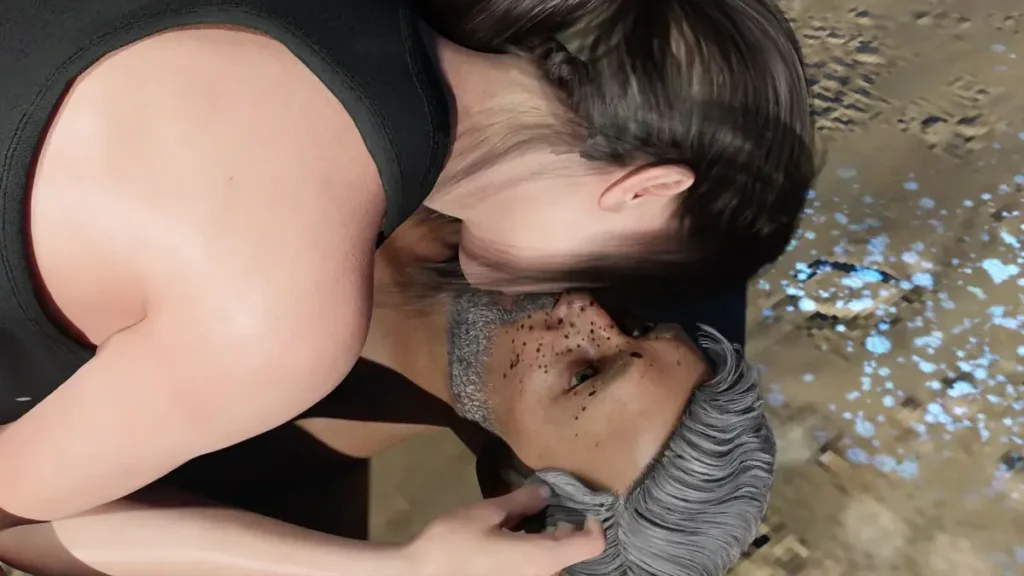
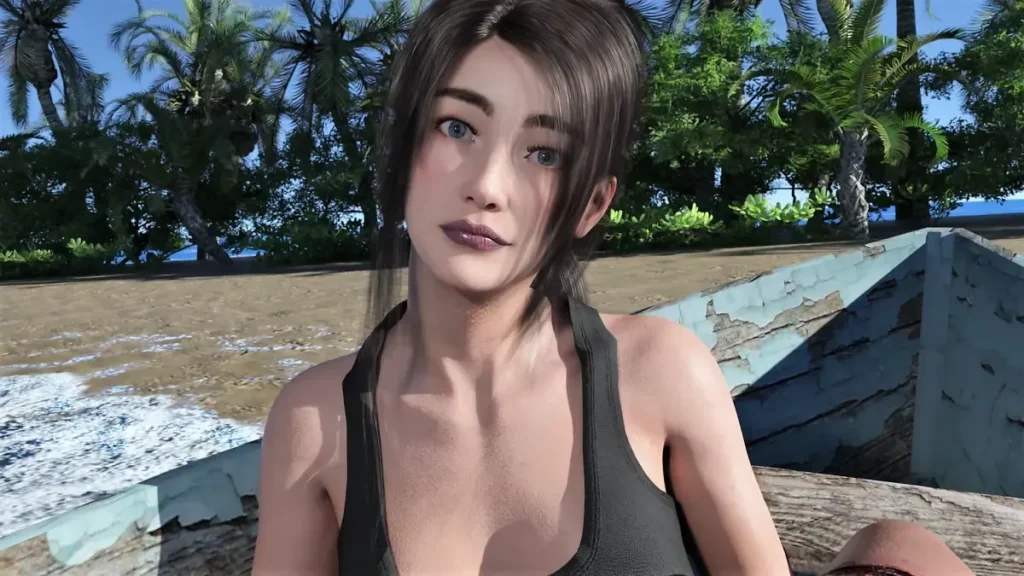
Lost in Paradise Screenshots






Lost in Paradise review
Story, choices, tips, and honest impressions of Lost in Paradise
Lost in Paradise is a narrative-driven adult game that blends visual novel storytelling with interactive choices, set in a lush tropical setting where every decision shapes your relationships and the course of the plot. In this guide, I’ll walk you through how Lost in Paradise actually plays, what makes its characters and story engaging, and the kinds of choices that matter long term. I’ll also share some personal impressions from my own playthrough, plus practical tips so you can avoid early mistakes and get to the most rewarding paths faster.
What Is Lost in Paradise and How Does It Play?
So you’ve heard the name Lost in Paradise floating around, maybe seen some alluring art of sun-drenched beaches and intriguing characters, and you’re wondering: what’s the deal with this game? 🤔 Is it just another pretty face, or is there a deep, engaging experience waiting beneath the surface? You’re in the right place. In this chapter, we’re going to strip away the mystery and give you a crystal-clear picture of what is Lost in Paradise and exactly how you play it. Think of this as your friendly briefing before you step off the plane onto its digital shores. ✈️
Core premise and setting of Lost in Paradise
Let’s set the scene. Lost in Paradise is, at its heart, an adult-oriented visual novel and adventure hybrid. But don’t let that simple label fool you—this isn’t just a slideshow of pictures. It’s a full-blown, character-driven narrative experience wrapped in the deceptively peaceful vibes of a tropical island getaway. 🏝️
The core premise is wonderfully immersive: you, the player, find yourself arriving at an isolated, seemingly perfect resort or a tight-knit island community. The sun is warm, the drinks are cold, and the ocean breeze is constant. It’s the ultimate escape. However, as anyone who’s read a good book or seen a compelling drama knows, paradise often has cracks in its facade. The Lost in Paradise game masterfully blends relaxed vacation atmospheres with simmering drama, personal secrets, and the slow, natural build of relationships.
You’ll meet a cast of unique residents and fellow visitors, each with their own histories, desires, and hidden motives. The initial “holiday mode” gradually gives way to a more complex web of interactions. The storytelling focuses on meaningful connections, with intimacy and romance developed through careful dialogue, shared moments, and the choices you make. The mood expertly pivots between light-hearted fun—like a beach party or a quiet drink at the tiki bar—and more serious, tense, or emotionally charged moments that make you care about the people you’re getting to know. It’s this blend of sun-soaked relaxation and layered, character-driven mystery that defines the Lost in Paradise visual novel experience.
Game structure, progression, and main features
Okay, so you’re on this beautiful island. What do you actually do? The Lost in Paradise gameplay is all about choice, consequence, and exploration—both of locations and relationships. If you’ve enjoyed other narrative-driven, choice-based games, you’ll feel right at home, but with a distinct tropical twist. 🌺
The core loop is elegant and engaging:
1. Read and Absorb: You’ll spend much of your time reading detailed dialogue and narration, soaking in the story and the lush setting.
2. Make Choices: At critical junctures, you’ll be presented with branching response options. These aren’t just cosmetic; they directly influence how characters perceive you, alter relationship values, and steer the plot down different paths.
3. Explore and Manage: Progression is typically structured around in-game days or chapters. Each day, you might have a set amount of time or “energy” to visit different key locations on the island—think the main beach, the resort bar, the jungle trails, private bungalows, or the local village. Where you choose to go determines who you meet and what scenes you unlock.
4. Unlock and Replay: Scenes and character routes unlock based on your prior decisions. Did you spend all your time with the charming bartender? You might have missed a crucial conversation with the mysterious newcomer at the dive shop. This design creates incredible replay value. You’re encouraged to save often (a pro-tip we’ll emphasize later!) and go back to key decision points to explore “what if?” scenarios.
Pro Tip: Save your game at the start of each new in-game day and before any major conversation. Trust me, you’ll want to revisit those branches! Your Lost in Paradise gameplay experience is built on experimentation.
Let me give you a tangible example of how this feels in practice:
A Typical Day in Lost in Paradise:
You wake up in your cozy resort room to the sound of waves. 🏖️ The game presents you with your itinerary for the day: a free morning and a planned group luau in the evening. For the morning, you can choose to visit:
* The Main Beach: (Might run into the athletic surf instructor for some casual flirting).
* The Resort Library: (Could find the thoughtful writer researching the island’s history).
* The Poolside Bar: (The perfect spot to chat with the enigmatic resort manager).
Let’s say you choose the bar. A scene plays out where you share a morning coffee with the manager. The dialogue choices pop up. You can be:
* A) Charming and curious about the resort’s operations.
* B) Aloof, focusing on your drink.
* C) Direct, asking about the rumors of strange happenings on the north shore.
Your choice here will shift your relationship with that character and potentially flag your progress toward their specific story route. It might also unlock or lock you out of a scene later that evening at the luau. This is the heartbeat of the Lost in Paradise game—small, meaningful decisions that compound to craft your unique story.
Now, to give you a quick, at-a-glance understanding of what this game offers, here’s a breakdown of its key aspects:
| Aspect | What to Expect in Lost in Paradise |
|---|---|
| Story Focus | Character-driven drama, romance, and mystery. The plot unfolds through your relationships and discoveries. |
| Setting & Mood | A lush, tropical island resort. A blend of relaxed vacation vibes and escalating personal tension. |
| Gameplay Style | Choice-based visual novel with light adventure elements (location exploration). Reading and decision-making are primary. |
| Replay Value | Exceptionally High. Multiple character routes, branching dialogues, and varied endings reward repeated playthroughs. |
The main features that make this adult game Lost in Paradise stand out are:
* Atmosphere is King: The tropical setting isn’t just a backdrop; it’s a character itself, influencing the mood and events.
* Meaningful Relationship Paths: Pursuing a connection with a character feels like a journey, with milestones and setbacks based on your choices.
* Rewarding Curiosity: The game doesn’t punish you for exploring—it encourages it. Talking to everyone and visiting everywhere often reveals hidden subplots.
* Dynamic Tone: One moment you’re laughing at a corny joke during a volleyball game, the next you’re navigating a delicate, emotionally charged conversation under the stars. 🌟
Is Lost in Paradise worth playing for you?
This is the million-dollar question, right? Is Lost in Paradise worth playing? My honest Lost in Paradise review comes down to what you personally seek in a game.
If you are the kind of player who gets deeply invested in stories, who loves unraveling character backstories, and who finds satisfaction in seeing the direct impact of your choices on a narrative world, then the answer is a resounding yes. This game is a slow-burn, narrative-rich experience. The “payoff” isn’t a high score or a finished level; it’s the culmination of a relationship arc, the uncovering of a secret, or the emotional weight of an ending you worked to achieve. It’s for players who enjoy the journey as much as the destination.
Conversely, if your primary gaming diet is fast-paced action, complex mechanical skill-tests, or gameplay that doesn’t involve a lot of reading, you might find the pace of the Lost in Paradise visual novel too deliberate. This is a story-first, story-second, story-always experience.
Let me share a personal moment from my first playthrough that sold me on the game’s depth. It was my first in-game evening. I’d just arrived at the resort and was invited to a casual welcome drink at the beach bar. 🍹 I met a few key characters: the outgoing event planner, the quiet artist sketching the sunset, and the seemingly aloof hotel owner. During a conversation with the artist, I had a choice: admire their work enthusiastically or make a slightly sarcastic comment about “tourist clichés.” Thinking I was being funny and relatable, I chose the sarcastic route. They politely smiled and ended the conversation quickly.
I didn’t think much of it until two in-game days later, when a beautiful scene was triggered where characters shared personal artifacts at a bonfire. The artist brought their sketchbook. I was locked out. My earlier flippant remark had lowered my rapport with them just enough to close off that path. Intrigued, I reloaded my save from that first evening, chose the admiring response, and played forward. Not only did I unlock the bonfire scene—a tender moment that revealed a key aspect of their personality—but it also opened up an entirely new dialogue branch with them the next morning.
That experience was my “aha!” moment. It showed me that Lost in Paradise gameplay isn’t about finding a single “correct” path. It’s about living with consequences, then rewinding and exploring the infinite possibilities your choices create. The game’s structure is flexible and deeply reactive.
In conclusion, what is Lost in Paradise? It’s a passport to a complicated, beautiful, and engaging story. It’s a game that asks you to relax, read, and think about who you want to be in its world. This Lost in Paradise game is absolutely worth playing if you want to trade gunfire for conversation, and high scores for high emotions. Your personalized paradise, with all its drama and romance, is waiting to be discovered. Just remember to save often! 😉
Lost in Paradise is best approached as an interactive story set against a sun-soaked island backdrop, where your choices quietly reshape relationships, events, and the tone of each playthrough. If you enjoy slow-burn narratives, getting to know a cast of distinct characters, and replaying key scenes to unlock new paths, it can be an unexpectedly absorbing experience. Take your time, save often, and treat each decision as a chance to explore rather than a test to pass. If the mix of vacation atmosphere, branching storylines, and character-driven drama appeals to you, Lost in Paradise is worth diving into and discovering at your own pace.