
Melody
Play Melody
Melody Screenshots









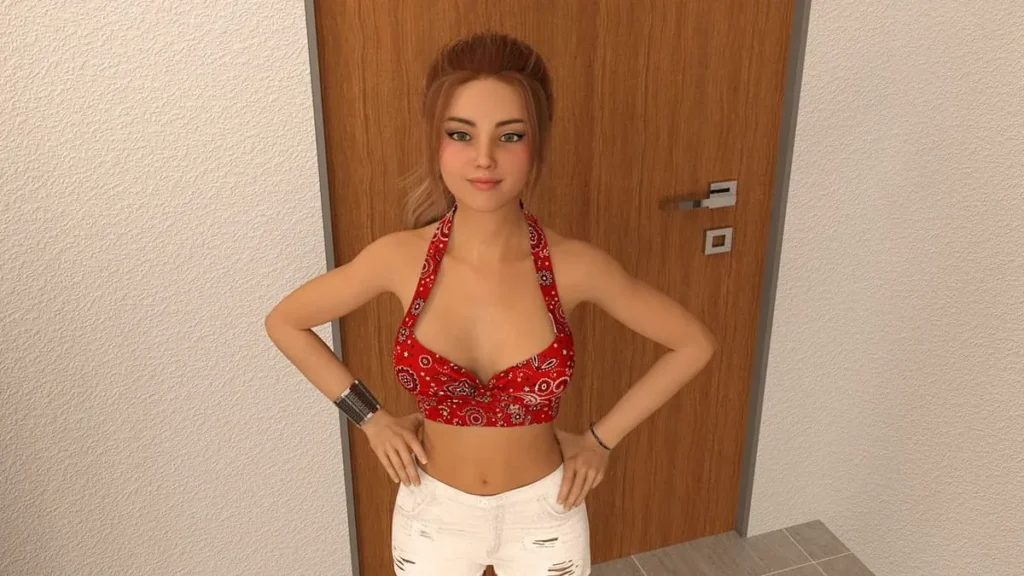




Melody review
Master gameplay mechanics, character routes, and progression systems in this episodic visual novel
Melody is an episodic adult visual novel developed by Mr. Dots Games that has garnered significant attention in the visual novel community. This game combines narrative-driven storytelling with relationship-building mechanics, allowing players to pursue multiple character routes and unlock various endings. Whether you’re new to the game or looking to maximize your playthrough experience, understanding the core mechanics, character progression systems, and strategic gameplay elements is essential. This guide covers everything you need to know about Melody, from initial setup through advanced gameplay strategies.
Understanding Melody’s Core Gameplay Mechanics
Ever feel like you’re just clicking through a visual novel, hoping something happens, without really understanding the rules of the game? 😅 I know I did when I first started playing Melody. I’d pick dialogue options on a whim, give random gifts, and then wonder why I was stuck, watching other characters progress while my chosen path seemed to hit a wall. It was frustrating! But then I cracked the code. The magic of Melody isn’t just in its story—it’s in the brilliantly crafted clockwork of its systems. Once you understand the Melody visual novel gameplay mechanics, it transforms from a passive story into an engaging, strategic experience where you’re truly directing the narrative.
This chapter is your blueprint. We’re going to break down exactly how the game works, from the overarching progression to the tiny, meaningful details that unlock entire story arcs. Think of this as moving from being a passenger to being the pilot. ✈️ Let’s master the systems that make Melody tick.
How the Progression System Works in Melody
At its heart, Melody is an episodic, time-managed experience. You don’t have infinite days, and you can’t see everything in one go. This isn’t a bug; it’s the core feature that makes your choices meaningful and encourages replays. The visual novel level unlocks and time gates are the primary drivers here.
Your progress is tracked through two main lenses: your Player Level and the in-game calendar. Your Player Level is like your overall reputation and capability. It increases primarily by participating in activities—going to the gym, studying music, working jobs, or successfully completing dates and events. Each new level often unlocks new locations, new conversation options, and sometimes even new characters who only interact with someone of a certain stature.
The calendar, however, is the true master. Melody operates on a schedule. Certain story beats, known as Opus Movements, are locked not just behind relationship levels, but behind specific weeks or days. You might have a Level 4 relationship with a character, but their next major story chapter won’t trigger until “Week 7, Wednesday.” This forces you to plan. You can’t just rush a single relationship; you need to build your own skills and other connections in the downtime.
My Pro Tip: Early in the game, focus on raising your Player Level. Unlocking the Gym or the University Library early gives you more tools to build stats (like Strength or Intelligence) that are prerequisites for certain dialogue and event checks later on. It’s an investment that pays off massively.
This dual-track system creates a satisfying gameplay loop: raise your level to unlock new options, use those options to build relationships, and trigger timed story events that advance the plot. It’s a dance between personal growth and social growth, and understanding this rhythm is the first step to mastery.
Character Relationship Levels and Unlocking Content
This is where your choices truly take center stage. The character relationship progression system in Melody is nuanced, transparent, and deeply rewarding. Each main character has a relationship meter, typically visible, that goes from Level 0 to Level 10 or higher. But this isn’t just a “point collection” game. The levels are gates that open up specific, significant content called Opus Movements.
Think of an Opus as a major chapter in that character’s story. Each Movement within it is a key scene. To unlock an Opus, you usually need a combination of:
* A minimum relationship level.
* Specific previous choices made in their route.
* Sometimes, a minimum Player Level or stat.
* Being on the correct day of the game’s calendar.
For example, let’s walk through unlocking Melody’s “Opus 2: Movement 3 (The Audition Support).” 🎹
1. Prerequisite: You must have completed “Opus 2: Movement 2,” where you helped her choose her audition piece.
2. Relationship Check: Your relationship with Melody needs to be at least Level 5.
3. Stat Check: The game might quietly check if your “Kindness” or “Music Knowledge” stat is high enough, which you built earlier by choosing sympathetic dialogue and studying at the library.
4. Calendar Check: The event will only trigger on a Tuesday or Thursday afternoon after Week 4.
5. The Trigger: If all conditions are met, you’ll receive a text message from Melody on an eligible day, initiating the scene.
If you miss a condition, the game simply won’t offer the trigger. It doesn’t tell you “you failed”; it just doesn’t happen. This is why planning is crucial. The Melody opus movements guide aspect is all about reverse-engineering these requirements. If you want to see a particular scene, you have to work backwards to ensure you’ve met all the prerequisites in the preceding weeks.
This system makes every interaction feel significant. A single conversation choice might not just give you +5 points; it might be the only choice that allows you to access a special, intimate conversation three “Movements” later. The game is constantly tracking your legacy of decisions.
Strategic Gift-Giving and Preference Systems
Ah, gifts. The universal language of “I like you.” But in Melody, it’s more like a targeted dialect. 🎁 Giving just any gift is a waste of precious time and money. Giving the right gift is a turbo-boost for your character relationship progression system.
Every character has deeply coded preferences. These aren’t always obvious! Sarah might love music, but giving her a random pop CD does nothing. She might specifically adore classical piano compositions or vinyl records from the 80s. The game teaches you their tastes through subtle clues:
* Dialogue Hints: Listen carefully! If Iris mentions she’s always cold in her studio, a cozy scarf later might be her favorite gift.
* Environmental Storytelling: What’s on their bookshelf? What poster is on their wall?
* Trial and Error (The Expensive Way): You can give anything, but wrong gifts give paltry points. Right gifts give massive bonuses.
This is where a Melody gift guide preferences deep-dive saves you. Some gifts are universally liked, but the real magic is in the “Favorite” and “Special” items. A “Favorite” gift gives a huge relationship point boost. A “Special” gift might do that and unlock a unique, one-time scene that isn’t part of the normal Opus flow—a hidden gem of character development.
To help you strategize, here’s a comparison of some key characters and what it takes to win them over:
| Character | Favorite Gift Category | Example of a “Special” Unlock Gift | Key Unlock Condition (Beyond Gifts) |
|---|---|---|---|
| Melody | Rare Music Scores, Artisan Tea | “Moonlight Sonata” First Edition Copy – Unlocks a private duet scene. | Must have High Music Knowledge stat. Available Tues/Thurs after Week 3. |
| Iris | Independent Comic Books, Dark Roast Coffee | “Midnight Canvas” Limited Art Print – Unlocks a tour of her private studio. | Requires completing a prior help event. Mostly available on Weekends. |
| Sarah | Vintage Fashion, Classic Literature | Antique Silver Locket – Unlocks a backstory conversation about her family. | Player Level 6+ to access the antique store where it’s sold. |
| Becca | Sports Gear, Healthy Snacks | Personalized Gym Water Bottle – Unlocks a joint workout session scene. | Must have visited the Gym at least 5 times previously. Available Mon/Wed/Fri. |
The golden rule? Gifts are for acceleration, not foundation. You can’t brute-force a relationship from Level 1 to 5 with gifts alone if you’ve made mean dialogue choices. The core of how to increase relationship levels Melody is through consistent, kind, and character-appropriate dialogue. Gifts are the amplifier for that genuine connection you’ve built.
Finally, we must talk about the Melody character availability schedule. This is the final piece of the strategic puzzle. You cannot simply decide to hang out with anyone, anytime. Characters have lives! 🗓️
* Melody might be busy with classes on weekday mornings.
* Becca could be at her part-time job every evening except Friday.
* A side character might only appear at the park on Sunday afternoons.
This schedule forces you to diversify your attention and plan your week. If your target is unavailable, it’s the perfect time to work on your Player Level, earn money for those special gifts, or nurture another relationship. Learning this schedule is crucial for efficiency. There’s nothing worse than saving up for a perfect gift only to find the character is out of town for three in-game days!
By weaving together these Melody visual novel gameplay mechanics—planned progression, strategic relationship building, targeted gift-giving, and schedule awareness—you stop fighting the game and start conducting it. You move from feeling locked out to knowing precisely which key you need to forge. It turns a beautiful story into your beautiful story, uniquely shaped by your understanding and strategy. Now, with this foundation solid, you’re ready to dive into the specific routes and make choices with confidence. Happy playing! 🎮
Melody stands out as a richly detailed visual novel that rewards careful planning and strategic decision-making. By understanding the progression mechanics, character relationship systems, and gift preferences, you can craft playthroughs that maximize your enjoyment and unlock all the content the game has to offer. The game’s episodic structure and multiple endings provide substantial replay value, encouraging players to explore different character routes and discover alternative story paths. Whether you’re pursuing a specific character route or aiming for complete game mastery, the strategies and information covered in this guide will help you navigate Melody’s complex systems with confidence. Take your time exploring each character’s story, experiment with different approaches across playthroughs, and enjoy the narrative depth that makes this visual novel a compelling experience.