SnowStorm
Play SnowStorm
SnowStorm Screenshots























SnowStorm review
Master the chilling mechanics and captivating story in this standout survival adventure
Imagine being dropped into a frozen wasteland where every gust of wind could be your last, and survival hinges on wits and willpower—that’s SnowStorm in a nutshell. This gripping survival game from Abnormalsoftware has hooked me since my first playthrough, where I barely made it through a brutal blizzard while uncovering a story that kept me up all night. With its SnowStorm gameplay blending tense resource management, dynamic weather, and deeply woven narrative, it’s not just about staying alive; it’s about finding purpose in the cold. Whether you’re a newbie battling hunger and fatigue or a veteran optimizing your runs, this guide dives into what makes SnowStorm unique, sharing my personal strategies to help you conquer the storm.
What Makes SnowStorm Gameplay So Addictive?
I’ll never forget my first real blizzard in SnowStorm. 🥶 I was feeling pretty confident, having just looted a cozy cabin. My inventory was full of snacks, and I’d even found a decent coat. Then, the wind changed. In seconds, the world dissolved into a howling, white void. My vision dropped to a few feet, my character’s teeth started chattering, and a stark new icon flashed on my HUD: Hypothermia Risk. I panicked, stumbled blindly away from the cabin for what felt like hours, and used my last match in a futile attempt to light a fire behind a rock. I didn’t make it. That run ended with a quiet, frozen fade-to-black. But I was hooked. ❄️ That moment of sheer, unscripted terror—followed by the immediate urge to jump right back in—is the heart of SnowStorm’s magic. So, what makes this SnowStorm gameplay so utterly compelling?
It’s not about any one feature, but how everything—the dynamic weather SnowStorm system, the tense SnowStorm resource gathering, and your personal connection to the land—interlocks perfectly. It’s a world that feels alive, unpredictable, and deeply responsive to your choices. Let’s break down exactly why you’ll lose hours to this stunning survival adventure.
How Dynamic Weather Transforms Every Session
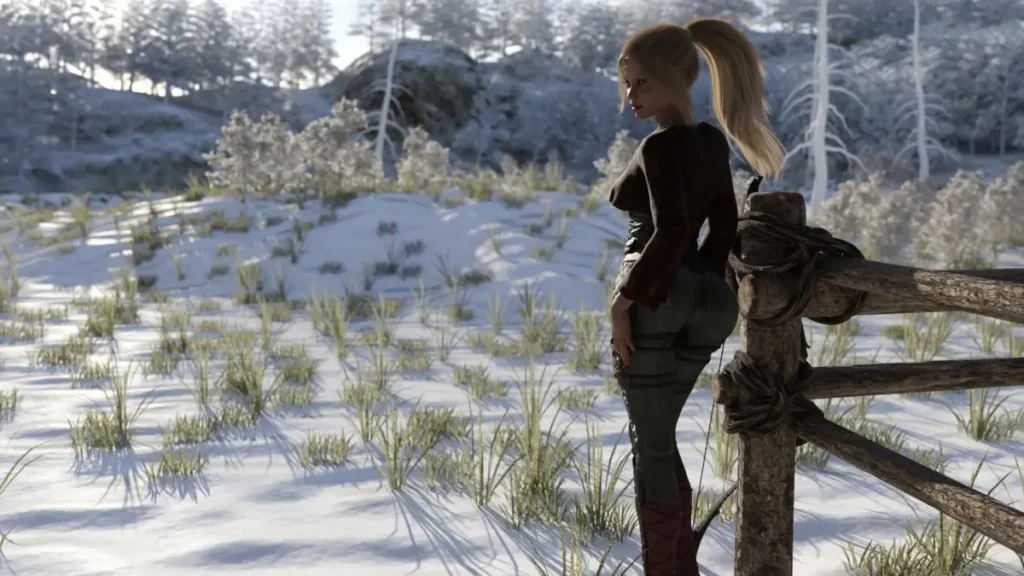
In most games, weather is a backdrop. In SnowStorm, it’s the main character, the primary antagonist, and the level designer all rolled into one. The dynamic weather SnowStorm system isn’t just for show; it’s the core engine that drives every decision you make. One minute you’re hiking under clear, icy skies, planning a long trek to a distant radio tower. The next, the horizon darkens, the wind picks up, and you’re faced with a critical choice: do you push your luck and run for the tower, or do you immediately seek shelter and wait it out?
This system creates stories that are uniquely yours. That intense blizzard I faced? It wasn’t a scripted story mission. It was the game’s living world reacting to my hubris. The SnowStorm mechanics of cold management—your body temperature, wetness level, and wind exposure—stop being simple meters to manage and become a palpable, pressing threat. You don’t just see the storm; you feel it through your avatar’s shivers, blurred vision, and slowed movement.
Ever wondered why one wrong move ends your run? It’s because the weather rewards respect and punishes recklessness. A sudden whiteout can disorient you, making you walk in circles just yards from safety. A freezing rainstorm can soak your best gear, rendering its insulation useless until you can dry it by a fire. This is the essence of how to play SnowStorm successfully: you must learn to read the skies, understand wind patterns, and always, always have a contingency plan. Your shelter isn’t just a save point; it’s your lifeline, and the dynamic world will constantly test its strength.
Mastering Resource Gathering in Harsh Conditions
This brings us to the next pillar of addiction: the brilliant tension of SnowStorm resource gathering. You can’t just hoard piles of wood and meat and call yourself safe. Every resource has weight, every action costs calories and time, and the environment is actively working against you. Chopping wood in a gentle snowfall is a calm, methodical task. Trying to do it as a blizzard rolls in? You’ll burn through your stamina twice as fast and risk injury.
The game brilliantly ties progression to practice, not just to finding better loot. Your first rabbit hunt will likely be a comical disaster of missed shots and wasted arrows. But as you keep trying, your character’s skill—and your own understanding of animal behavior—improves. You learn to track prints in the snow, to approach from downwind, and to make every shot count. This skill-based progression makes every successful hunt or perfectly constructed log cabin feel like a genuine personal achievement. You didn’t just find a better gun; you became a better survivor.
This loop of risk versus reward is intoxicating. Do you spend the last hour of daylight hunting to replenish your food stores, or do you use that precious time to reinforce your shelter before the predicted night storm? The game’s deep SnowStorm mechanics ensure there’s no universally correct answer, only the choice that best fits your current situation and playstyle.
The most important resource in SnowStorm isn’t in your backpack—it’s time. Manage it wisely, or the cold will manage you.
Here are a few actionable SnowStorm survival tips I learned the hard way:
- Listen to Your Body: The fatigue meter is your most important gauge. Pushing into “Exhausted” state slows everything and increases mistake chance. Rest before you’re forced to.
- The 60% Rule: Never let your core resources (food, water, firewood) drop below 60%. This buffer saves you when a three-day storm hits out of nowhere.
- Scavenge with Purpose: Abandoned structures are goldmines, but don’t just grab everything. Prioritize tools, medicinal herbs, and canned food. Leave bulky, low-value items behind.
- Multi-Task at Base: While water boils or meat cooks, use the time to repair gear or organize your storage. Efficiency is survival.
- Mark Your Map Religiously: Found a patch of rare medicinal plants? Mark it. Spotted a bear’s den? Mark it. A future version of you will be grateful.
Why the Narrative Feels Personal and Impactful
Many survival games bolt their story on as an afterthought—a series of notes to read or a cutscene that plays after you build the right item. SnowStorm takes a radically different approach with its SnowStorm narrative integration. The story isn’t something you find; it’s something you live and shape through your daily struggle to survive.
From the very beginning, you’re given a personal, driving motive that’s more than just “don’t freeze.” Maybe you’re searching for a lost expedition team, or uncovering the mystery of what caused this perpetual winter. This goal provides direction, but the game never holds your hand. You discover clues organically: a half-buried journal in a collapsed research tent, a strange signal on a frequency you only discover by repairing old radios, or environmental storytelling in the layout of a long-dead village.
The true brilliance is how your survival choices alter the world state and narrative outcome. Ignoring a plea for help on the radio to secure your own shelter might keep you safe, but you may later find that character frozen in a ravine. Conversely, risking a dangerous night journey to deliver medicine you crafted could unlock a new ally who provides crucial information or a safe outpost. This high player choice impact means the story becomes a reflection of your personal priorities as a survivor. Are you a pragmatic isolationist, or a compassionate helper in a broken world? The game doesn’t judge; it just weaves the consequences into the fabric of your journey.
This seamless blend is what separates SnowStorm from the pack. The tension of watching your cold meter drop during a story-critical journey makes that narrative moment feel earned and desperate. Finding a cache of food feels triumphant not just because you get to eat, but because it means you can now afford to take a detour to investigate that mysterious signal on the ridge. The SnowStorm gameplay and its story are one and the same.
To see how this philosophy sets SnowStorm apart, let’s look at a quick comparison:
| Feature | Typical Survival Game | SnowStorm’s Approach |
|---|---|---|
| Primary Threat | Zombies, Monsters, Other Players | Dynamic Weather & Environment (Cold, Storms, Wildlife) |
| Progression System | XP, Level-Ups, Blueprint Unlocks | Skill-Based Practice (Better at tasks you perform often) |
| Story Integration | Separate Lore (Notes, Audio Logs, Cutscenes) | Deep Narrative (Choices affect world state & outcomes) |
| Player Choice Impact | Mostly Affects Ending | High Impact (Alters moment-to-moment world and relationships) |
In the end, the most addictive part of SnowStorm gameplay is that it rewards curiosity and adaptation over mindless grinding. The interconnected systems—where weather affects resources, which affects your health, which affects your ability to pursue the story—create a beautifully responsive playground for emergent storytelling. My biggest piece of advice? Don’t be afraid to experiment. Try a run where you focus on hunting and trapping, or one where you become a nomad, never sleeping in the same place twice. The game’s systems are deep enough to support these personalized playstyles. Embrace the cold, learn from every frozen failure, and let your own unique story in the snow unfold.
SnowStorm isn’t just a game—it’s a test of endurance that blends heart-pounding survival with a story that lingers. From battling relentless weather to making choices that shape your journey, my time in its frozen world taught me resilience both in-game and out. If you’ve been on the fence, dive in now; grab your gear, start a new run, and share your wildest survival tales in the comments. What’s your go-to strategy for beating the storm? Let’s swap tips and keep the adventure going.