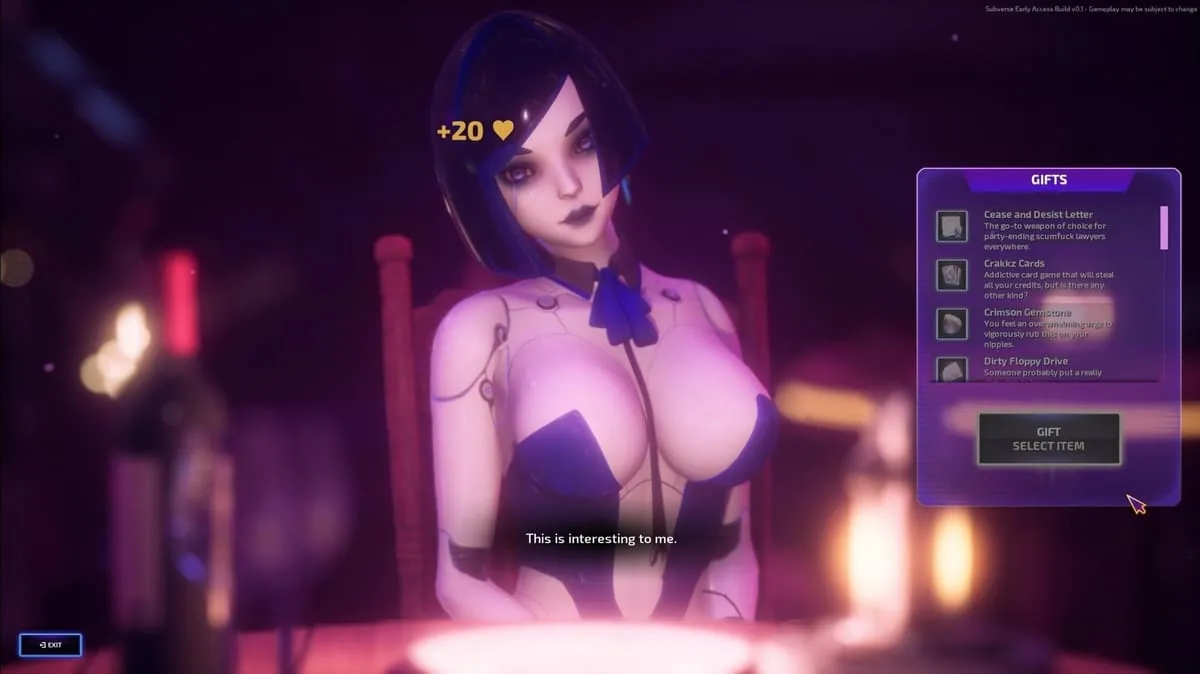
Subverse Screenshots

Subverse review
A comprehensive guide to the hybrid shooter and grid-based strategy experience
Subverse stands as one of the most ambitious independent gaming projects in recent years, combining tactical role-playing elements with space combat mechanics in a sci-fi setting. Developed by FOW Interactive and published by Streembit Ltd, this crowdfunded title raised over £1.6 million on Kickstarter, making it one of the platform’s top twenty highest-funded games. Released in early access in March 2021 and reaching full version 1.0 in November 2024, Subverse offers players a unique blend of visual novel storytelling, grid-based tactical combat, and arcade-style shoot ’em up sequences set in the fictional Prodigium Galaxy. Whether you’re interested in the gameplay mechanics, character progression systems, or the development journey behind this distinctive title, this guide covers everything you need to know about this innovative gaming experience.
Gameplay Mechanics and Combat Systems
Alright, captain, let’s talk turkey. Or more accurately, let’s talk about blasting aliens into space dust while outsmarting them on a chessboard. The magic of Subverse isn’t just in its, ahem, distinctive narrative style; it’s in how brilliantly it welds two classic game genres into one cohesive, challenging, and deeply satisfying experience. You’re not just watching a story unfold—you’re actively driving it forward through two distinct styles of play. Think of it as having your cake and eating it too, if the cake was a strategic masterpiece and you ate it with a particle cannon.
This chapter is your boot camp. We’re breaking down the game’s three core pillars: the brain-burning tactical grid combat, the reflex-testing shoot ’em up gameplay, and the crucial decisions behind character crew selection. By the end, you’ll know how to command the battlefield from above and within it.
Understanding the Tactical Grid Combat System
Let me paint a picture of my first major failure. 🫠 I’d assembled my team, marched them into a hostile facility, and thought I was hot stuff. I spread my units out, tried to capture every objective at once, and promptly got swarmed. Why? Because I completely misunderstood the reinforcement wave system. This isn’t a static puzzle; it’s a dynamic, living battlefield that reacts to your moves.
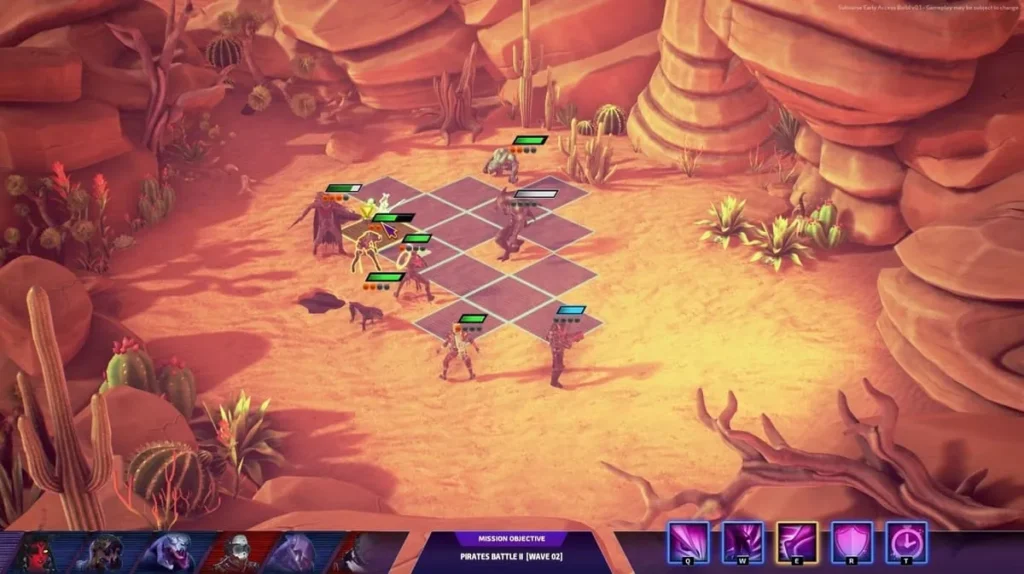
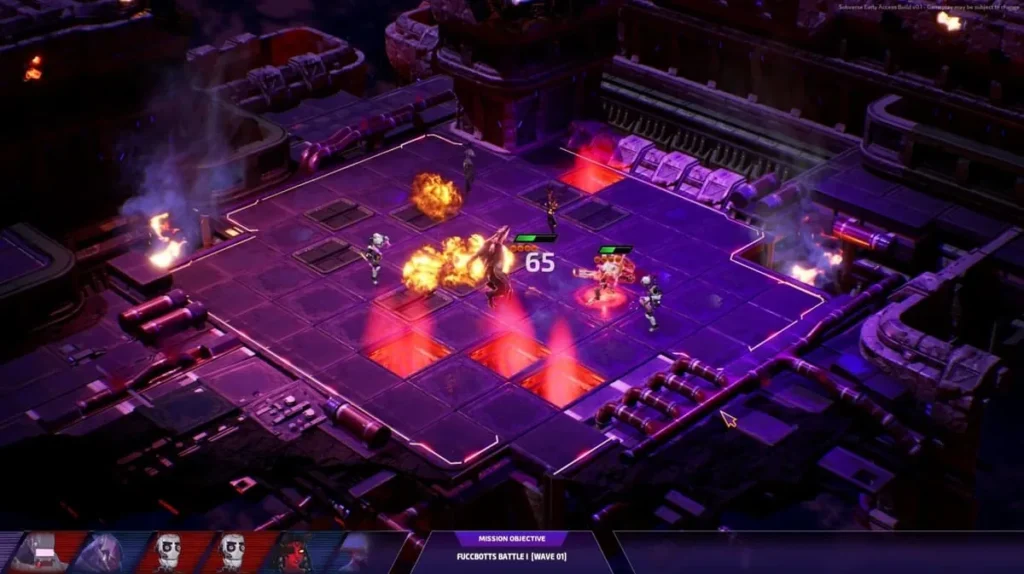
The tactical grid combat in Subverse is your classic turn-based, isometric playground, but with a devilish twist. Each mission has a primary objective, but the real challenge often comes from managing the constant pressure of enemy reinforcements. These waves don’t just spawn randomly; they’re often triggered by your progress. Step on a control point? Reinforcement wave. End your turn near a spawn door? You guessed it—reinforcement wave. This creates a thrilling tempo where you must balance aggressive pushes with defensive posturing.
Pro-Tip: The key to mastering this grid-based strategy is controlling the spawn points. If you can park a tough unit on a spawn door, you can often block reinforcements entirely, turning a chaotic brawl into a manageable cleanup operation.
Your success hinges on what I call attack tempo. This is the rhythm of your assault. A slow, methodical crawl lets the enemy fortify and call in endless backups. A reckless, all-out sprint leaves your units isolated and picked off. The sweet spot is a controlled, relentless advance that secures areas as you go, using overwatch and abilities to punish newly arriving enemies. Each of your crew members brings a unique toolkit to this tactical grid combat arena. One might excel at area denial, another at single-target elimination, and a third at healing and support. Positioning them to cover each other’s weaknesses is the core of the grid-based strategy.
The reinforcement wave system keeps you on your toes, ensuring no two battles play out exactly the same. It’s this system that elevates the combat from a simple skirmish to a deeply engaging tactical grid combat experience where foresight is just as important as firepower. You’re not just fighting the enemies on the board; you’re anticipating and countering the ones about to arrive.
Mastering the Shoot ‘Em Up Space Battles
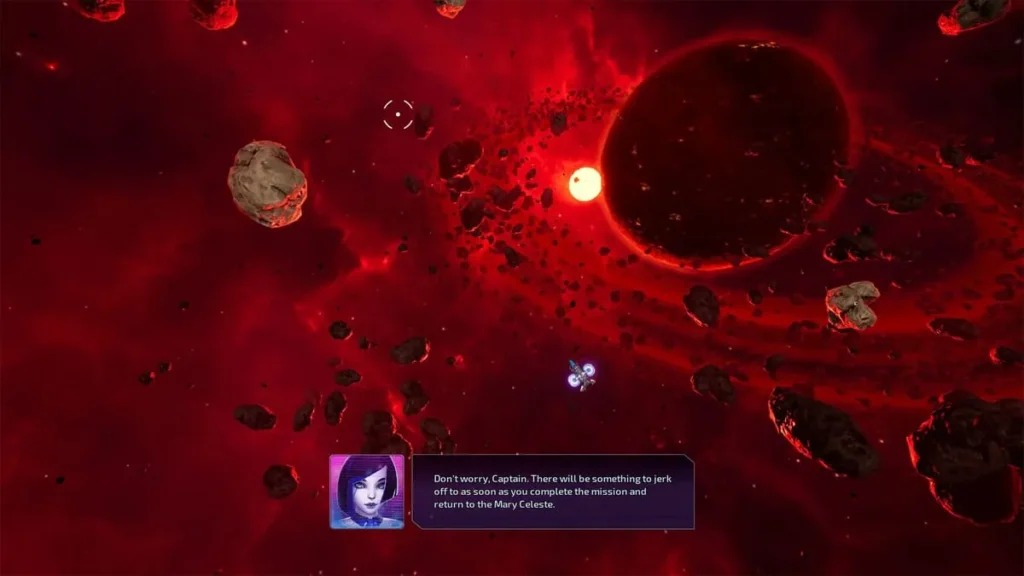
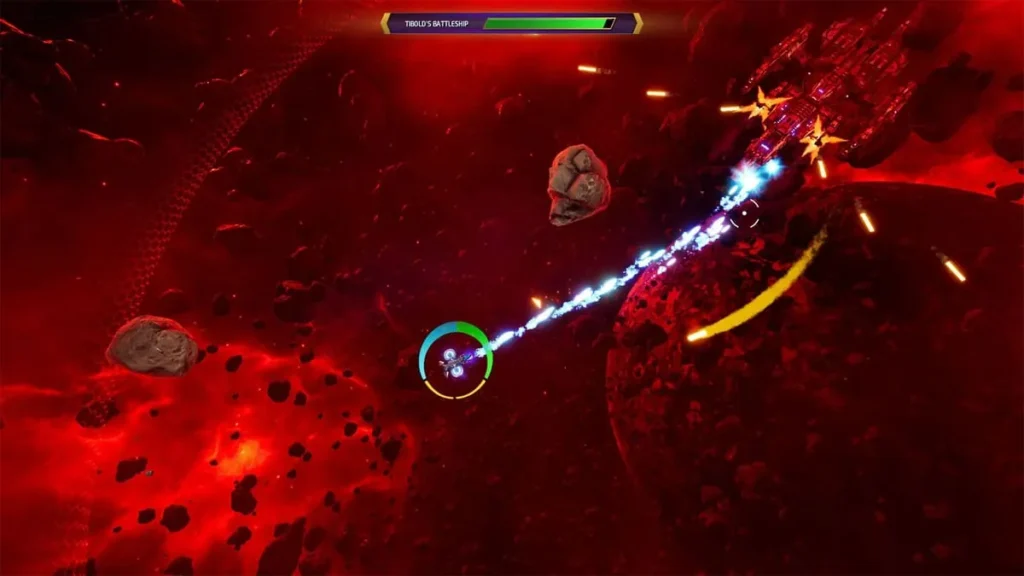
Just when your strategic brain gets a workout, Subverse throws you into the cockpit of the Mary Celeste for a glorious change of pace. Forget slow, turn-based moves; now it’s all about twitch reflexes, spatial awareness, and unleashing hell. The shoot ’em up gameplay is a loving homage to classic arcade shmups, but with enough modern twists to feel fresh and exciting. 🚀
This isn’t just one type of space shooter. Subverse cleverly mixes up its space combat mechanics across three distinct modes to keep your piloting skills sharp:
- Vertical-Scrolling: The classic format. You move up the screen while enemies pour in from above. It’s all about weaving through bullet patterns, managing your limited screen space, and knowing when to use your screen-clearing special abilities.
- Side-Scrolling: Here, you move from left to right. This perspective often introduces more environmental hazards and different enemy attack patterns, requiring you to adjust your dodging strategies.
- Free-Roaming: My personal favorite. 🎮 This mode gives you full 2D movement within a bounded arena. It feels more like a classic top-down arcade-style combat experience, where you can strafe, circle enemies, and use the entire playfield to your advantage.
Speaking of strafing, it’s your best friend. Holding the strafe key lets you fire in one direction while moving in another. This is essential for kiting tougher enemies, staying out of the line of fire while maintaining pressure, and lining up perfect shots on weak points. The environment also plays a huge role. Asteroids aren’t just backdrop; they’re vital cover. Ducking behind a space rock to avoid a barrage of missiles or luring a pursuer into a dense field to watch them crash is a core part of the space combat mechanics.
The feel is pure, adrenaline-pumping arcade-style combat. Power-ups drop from destroyed foes, your special weapon meter builds as you deal damage, and the screen can become a beautiful, chaotic light show of lasers and explosions. Success here directly fuels your progression in the tactical grid combat sections, creating a fantastic gameplay loop. Winning these battles rewards you with resources and advances the story, seamlessly integrating the shoot ’em up gameplay into the larger narrative.
To break it all down, here’s how the different combat modes stack up:
| Combat Mode | Player Control Style | Key Strategic Elements | Primary Challenge |
|---|---|---|---|
| Vertical-Scrolling | Upward movement with horizontal freedom | Pattern memorization, screen-edge management, ability timing | Dense bullet patterns from above |
| Side-Scrolling | Rightward movement with vertical freedom | Environmental navigation, leading shots on moving targets | Combinations of aerial and ground-based enemies |
| Free-Roaming | Full 2D movement in an arena | Strafing, use of terrain for cover, positioning vs. multiple threats | Managing enemies from all directions |
Character Selection and Crew Management
So, you understand the chessboard and you can handle a starfighter. But who are the pieces on your board? Who’s flying your secondary guns? This is where character crew selection becomes your most important strategic decision before a mission even starts. You’re not just picking a favorite portrait; you’re assembling a synergistic toolkit for the specific challenges ahead. 💡
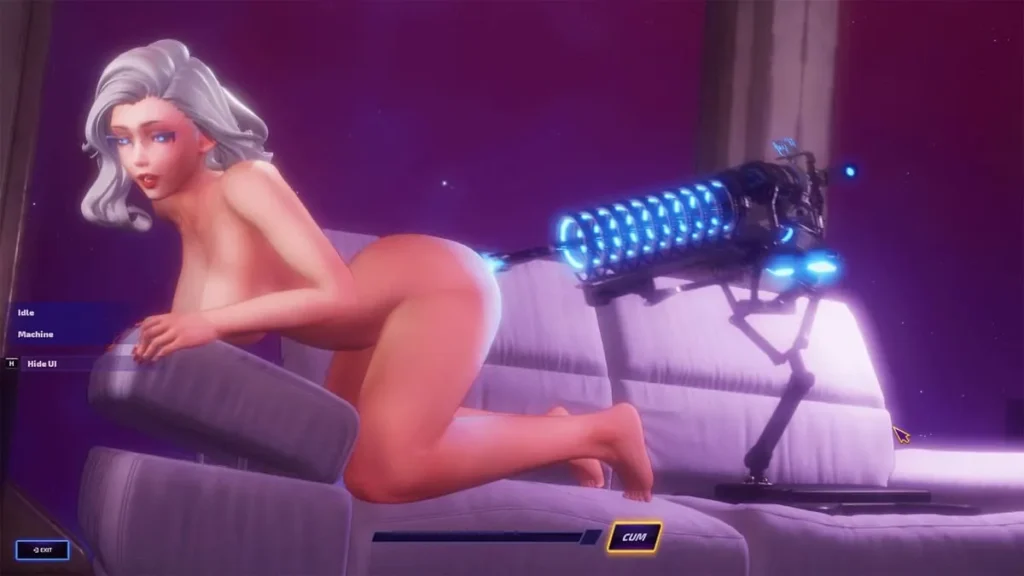
Each of the female crewmates (or “Waifus,” as the game affectionately calls them) is a fully realized character with a unique fighting style, special traits, and—crucially—different attributes for ground versus space combat. A crewmate who is an absolute powerhouse in the tactical grid combat might only be an average gunner for the shoot ’em up gameplay, and vice-versa.
For example, early on you might recruit a close-quarters specialist who excels at dealing massive single-target damage on the grid. Her special ability might let her dash across tiles to execute a vulnerable enemy. In space, however, she might man a weapon that’s slow-firing but powerful, perfect for taking out bulky capital ships. Another crewmate might be a support specialist on the ground, capable of healing allies or granting them extra actions, while in space, she controls a rapid-fire, wide-spread weapon ideal for clearing waves of smaller fighters.
Your character crew selection must therefore be a dual-purpose analysis:
1. For the Grid: What mix of damage, tanking, and support do I need for this map’s objectives and enemy types?
2. For the Stars: Which crewmates’ shipboard weapons will best counter the anticipated enemy fighters and bosses?
Personal Insight: I made the mistake of always taking my “A-team” for ground missions, neglecting a crewmate whose space weapon was a homing missile swarm. Once I started tailoring my picks, a brutally difficult asteroid field battle became manageable because those homing missiles handled the pesky, fast-moving drones for me.
This system adds a fantastic layer of long-term strategy. As you progress and deepen your bonds through the game’s visual novel-style storytelling segments (which are unlocked by completing missions), you not only learn more about the characters but also unlock their enhanced abilities and traits. The character crew selection process evolves from a simple choice to a deeply engaged investment in your team’s growth. You’re balancing immediate mission needs with long-term relationship-building that unlocks new tactical options.
This is the genius loop of Subverse: the intense shoot ’em up gameplay and thoughtful tactical grid combat reward you with story progression and character development. That development, in turn, gives you more powerful tools and deeper strategies for the next combat challenge. It’s a seamless blend of action, strategy, and narrative that keeps you pushing forward, battle by battle, to see what—and who—you unlock next.
Subverse represents a distinctive entry in independent gaming, successfully merging tactical strategy, arcade action, and narrative-driven experiences into a cohesive package. From its impressive Kickstarter success to its full release in November 2024, the game demonstrates developer commitment to community feedback and continuous improvement. The gameplay combines three distinct systems—tactical grid combat, shoot ’em up sequences, and visual novel storytelling—each offering unique challenges and rewards. The progression mechanics create meaningful engagement through character development, ship upgrades, and content unlocking systems that encourage repeated play. Whether you’re drawn to the strategic depth of grid-based combat, the fast-paced action of space battles, or the character-driven narrative elements, Subverse offers substantial content across multiple gameplay styles. The game’s evolution from early access to full version showcases how indie developers can deliver ambitious projects that rival larger studio productions. For players seeking a unique blend of genres with substantial replay value and continuous content updates, Subverse stands as a notable achievement in independent game development.