
The Theater of Sinners
Play The Theater of Sinners
The Theater of Sinners Screenshots
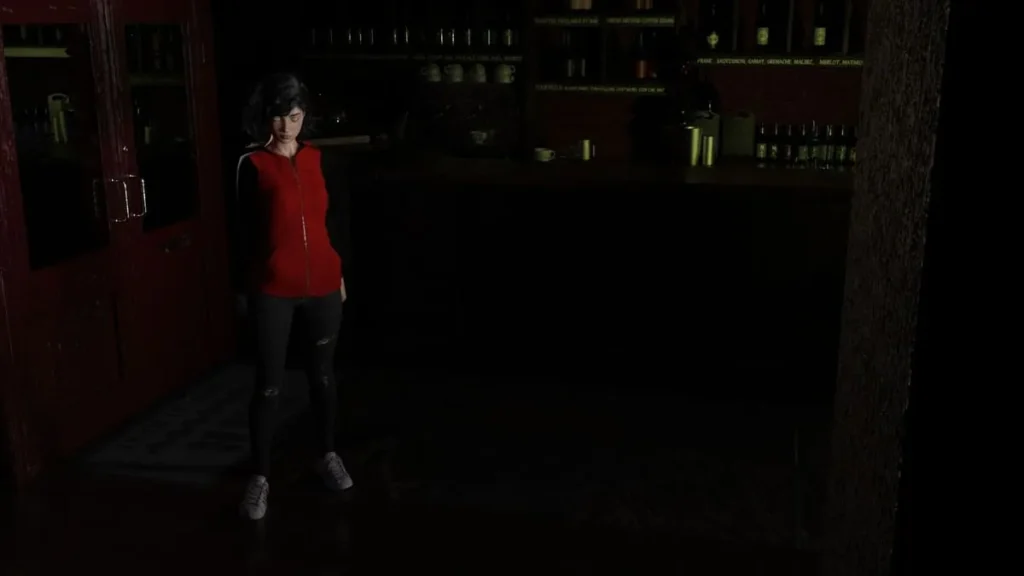
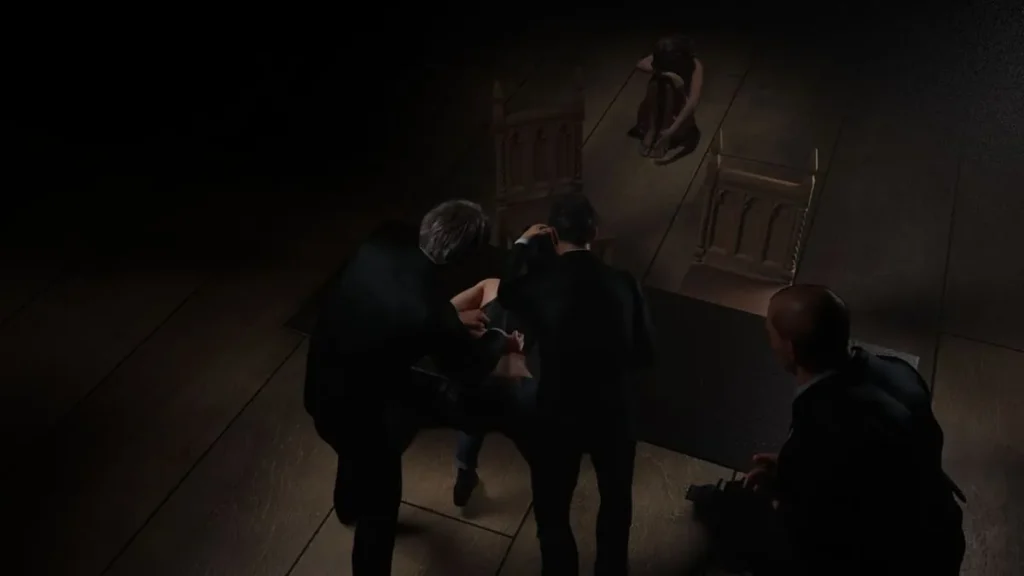
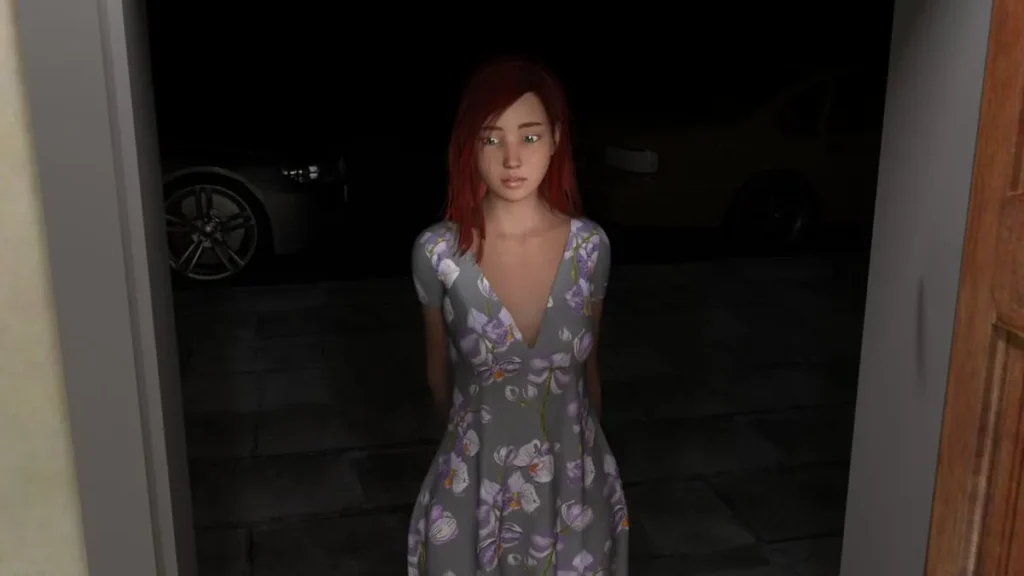
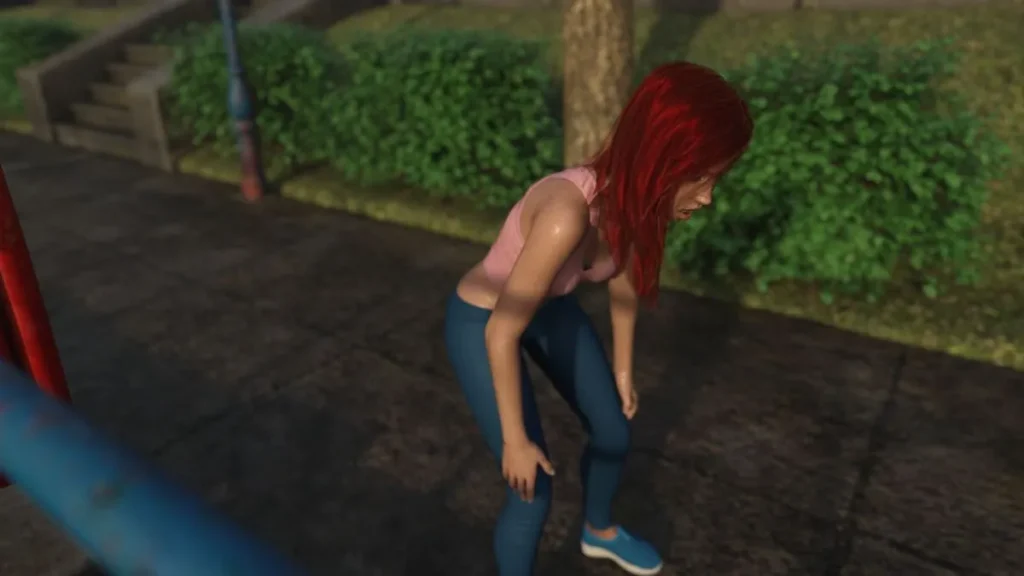
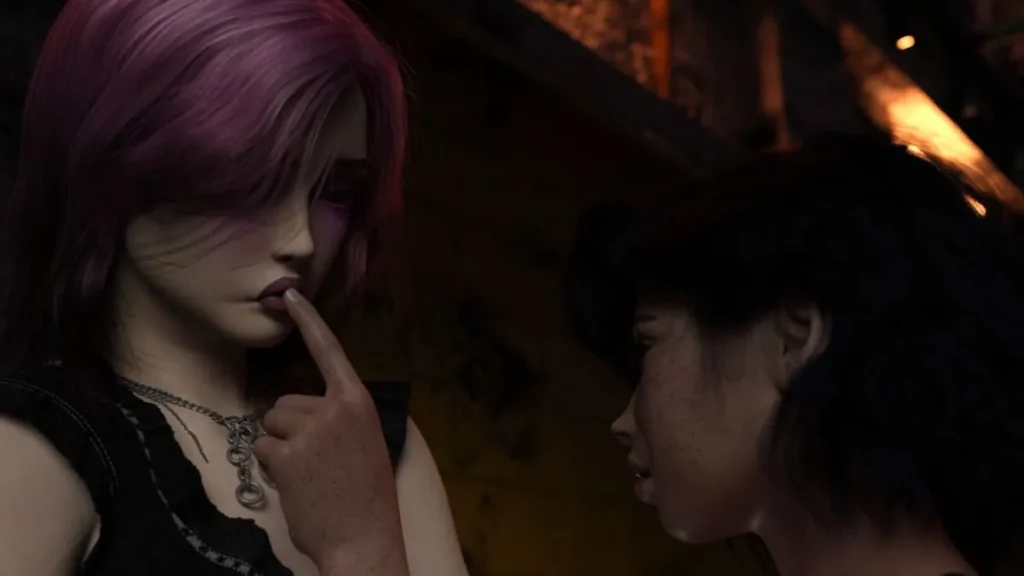
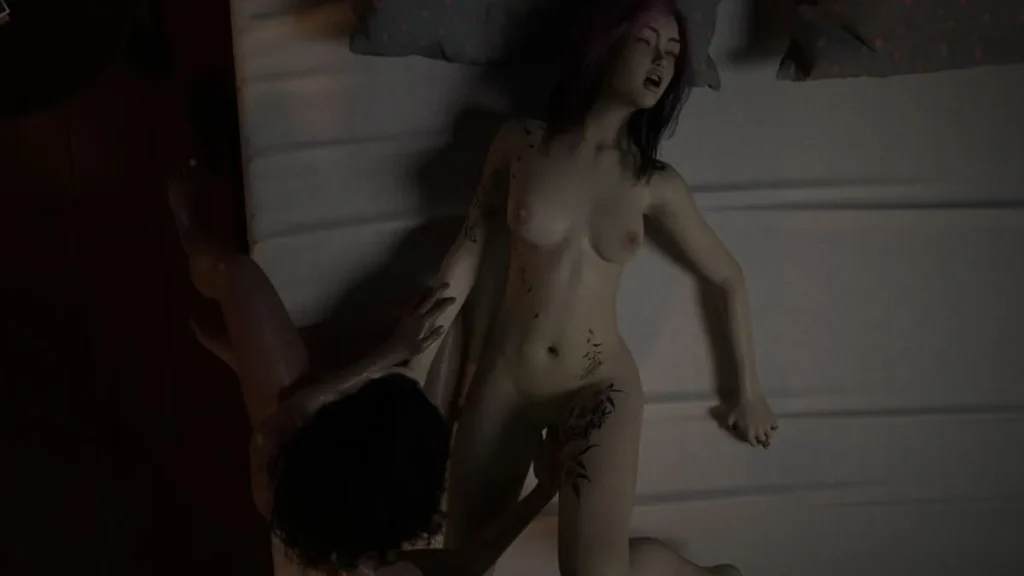
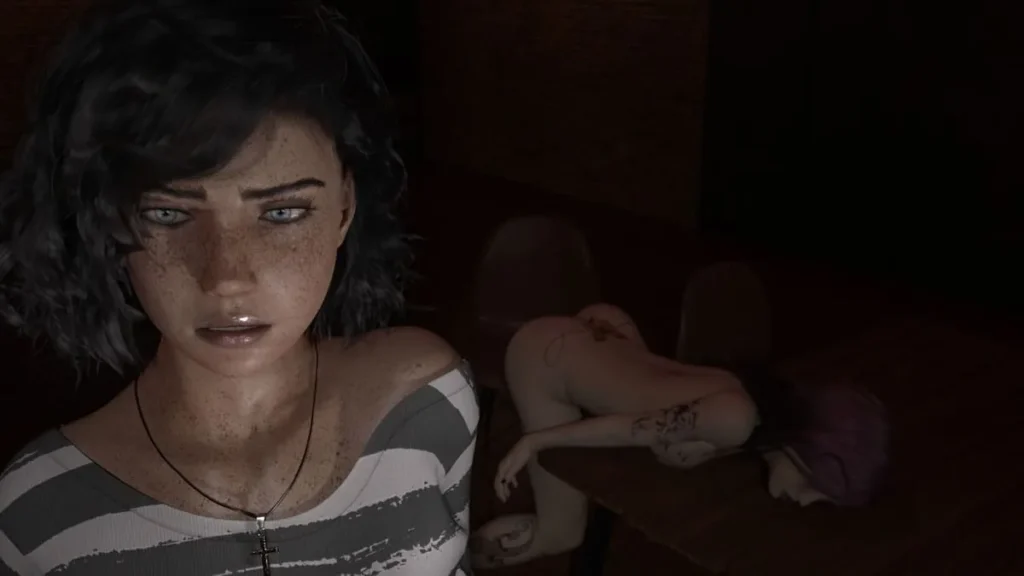




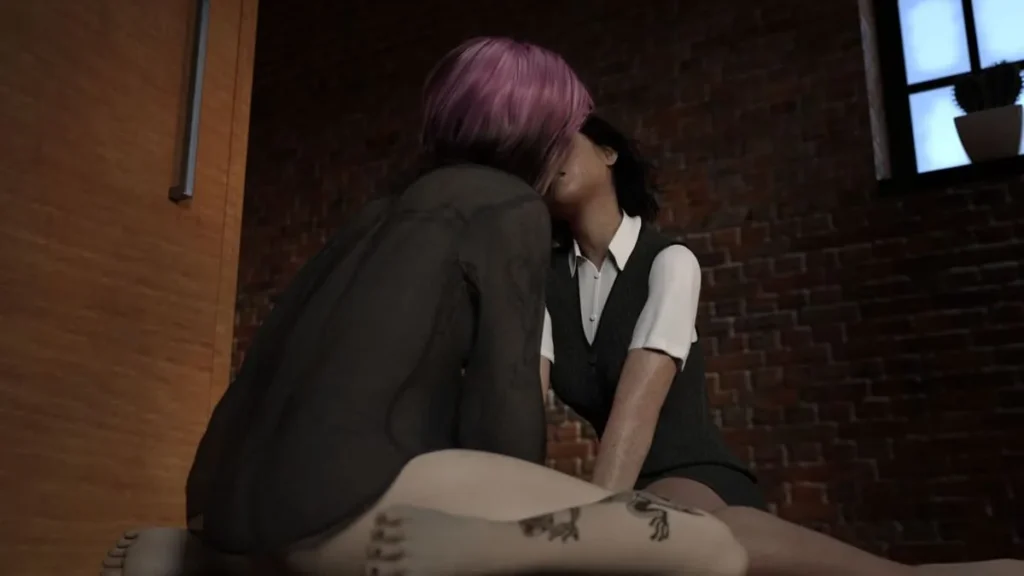



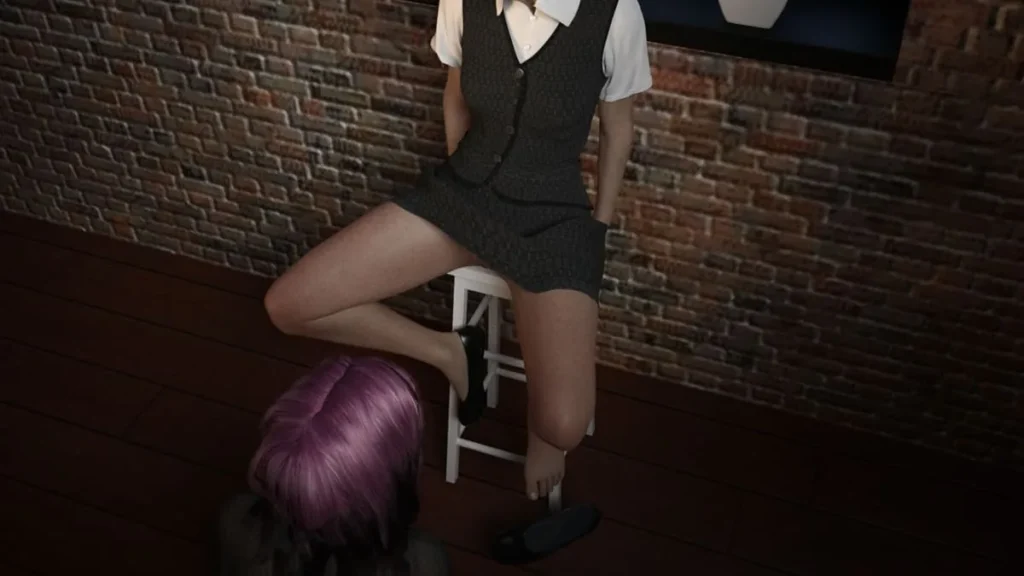
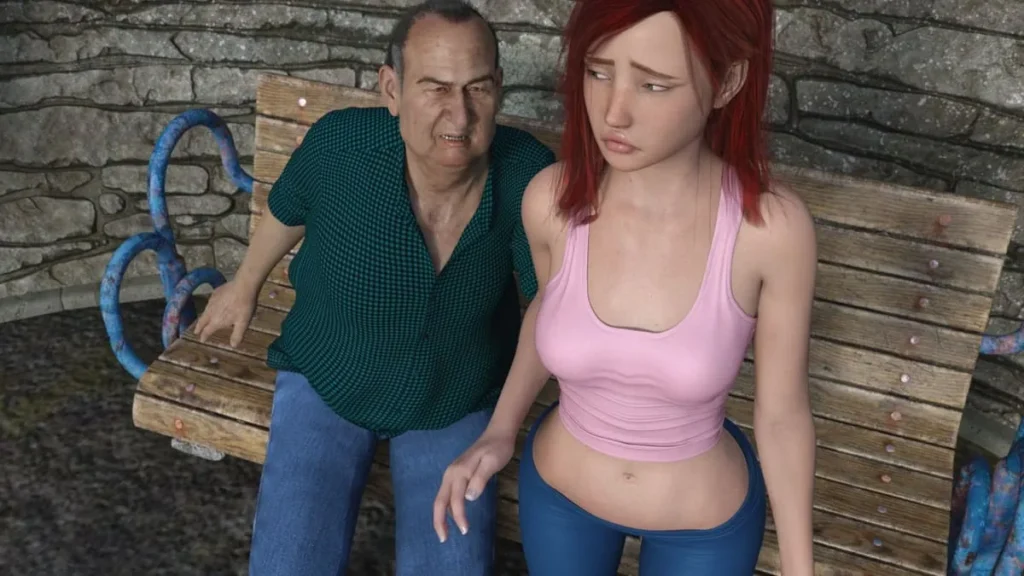
The Theater of Sinners review
Dive into the captivating world of this immersive adult visual novel
Ever stumbled upon a game that pulls you into a shadowy realm of temptation and choice? That’s ‘The Theater of Sinners’ for you—a gripping adult visual novel where every decision leads to steamy encounters and dark twists. I remember my first playthrough; I was hooked from the opening scene, choosing paths that unveiled forbidden desires. This guide breaks down everything you need to know about The Theater of Sinners, from core mechanics to hidden endings. Whether you’re new or replaying for secrets, let’s explore this seductive adventure together.
What Makes The Theater of Sinners a Must-Play?
I still remember the night I first booted up The Theater of Sinners. I was just looking for something new, a story to get lost in for a few hours. What I found, and what completely pulled me in, was so much more. This wasn’t just a game; it was an invitation to step onto a stage where every decision held weight, every character had a secret, and my own moral compass was the director. If you’re curious about what is Theater of Sinners, let me tell you: it’s an experience. It’s a masterclass in adult visual novel storytelling where theme, choice, and consequence are woven together into something truly unforgettable. This Theater of Sinners game has a depth that rivals the top VNs in the genre, and today, I want to show you exactly why it’s a must-play.
Unveiling the Core Storyline of The Theater of Sinners
So, what is this captivating world all about? 🎭 The Theater of Sinners plot begins with you, the protagonist, receiving a mysterious, ornate ticket. This isn’t for a simple show; it’s an entry pass to a realm between judgment and desire—a grand, eerie theater that exists outside of normal time and space. The curtain rises, and you find yourself not in the audience, but as a crucial part of the performance.
The theater is run by a cryptic Overseer and populated by “Sinners”—eight complex, beautifully designed characters, each bearing the weight of a past transgression. Your role? To interact with them, witness their “acts” (which are deeply personal and often intimate stories of their sins), and through your choices, guide them—and yourself—toward either redemption or further decadence. The genius of the Theater of Sinners visual novel structure is how it uses this theatrical frame. Each character’s route feels like a distinct play, with its own tone, conflict, and climax. You might explore a tale of broken trust with the melancholic musician, or unravel a story of ambition and betrayal with the shrewd entrepreneur.
The central mystery of the theater itself—why it exists, who the Overseer really is, and why you were chosen—hangs over every interaction. Unraveling this meta-narrative is just as compelling as pursuing individual character arcs. To play Theater of Sinners is to accept that you are both spectator and actor in a grand, mysterious drama where the final act is always yours to write.
Why Player Choices Drive the Thrill?
This is where The Theater of Sinners truly shines and separates itself from more linear stories. Your mouse clicks are not just for turning pages; they are the brushstrokes that paint your unique version of the narrative. Every dialogue option, every decision to comfort or challenge, to pursue purity or give in to temptation, actively shapes the world and its inhabitants.
The game employs a sophisticated affinity and morality system that works in the background. Your choices build invisible points with each character and simultaneously shift your overall alignment on a spectrum from “Purity” to “Corruption.” This isn’t a simple good/evil binary. A “Pure” choice might be offering genuine forgiveness, while a “Corrupt” one could be exploiting a character’s vulnerability for your own gain—even if it’s something they seem to desire. The thrill comes from knowing that even small, seemingly innocent decisions can lock you out of entire scenes or branches, making each playthrough authentically yours.
This leads to the crown jewel of the experience: the Theater of Sinners endings. With at least five to seven major ending archetypes based on your core morality and your success with specific characters, the replay value is enormous. You could see a character find peace and absolution, descend into a shared cycle of destructive passion, or end up alone, with the theater’s doors closing on you forever. You are literally writing the finale with every choice you make.
Here are the top 5 reasons why this choice-driven system is so brilliant:
- Authentic Consequences: Choices feel meaningful because they have tangible, sometimes delayed, repercussions. A lie in Act 1 will come back to haunt you in Act 3.
- Deep Character Investment: To get the best (or worst) outcomes, you need to understand what makes each Sinner tick. It rewards careful attention and empathy.
- Massive Replayability: With over 10 hours of content per major route, and divergent paths within those routes, you can play five times and have five distinctly different stories.
- Personalized Story: The game becomes a reflection of your own instincts. Will you be a savior, a tempter, or something in between?
- Unlockable Secrets: Many of the game’s juiciest scenes and the full CG Gallery are only unlocked by exploring specific, often difficult-to-reach choice branches.
Let me share a quick case study from my own playthroughs. In my first run, I pursued the character of Elara, a former healer burdened by guilt. I consistently chose compassionate, patient options. The story was a slow, tender burn about healing and accepting forgiveness. It was beautiful and left me feeling hopeful.
Curious, I re-rolled and pursued her again, but this time I chose all the “Corrupt” options—encouraging her to embrace her “sin” as part of her identity, to seek pleasure in the darkness. The same base story transformed into a intense, obsessive romance about mutual surrender to vice. The Theater of Sinners endings for these two paths were night and day. It was like playing two completely different games, and it’s this transformative power of choice that defines the experience.
Visuals and Sound That Pull You In
A great visual novel lives and dies by its ability to create atmosphere, and The Theater of Sinners is an absolute feast for the senses. 🎨 From the moment you see the lavish, gothic-art nouveau lobby of the theater, you know you’re in for something stylistically exceptional.
The character art is simply stunning. Each of the eight+ main Sinners is rendered with incredible detail, featuring multiple expressions and outfits that reflect their personalities and the story’s progression. The CGs (the special illustrated scenes for key moments) are works of art—dramatically composed, emotionally charged, and vital to the storytelling. A huge part of the fun is working to unlock all the variations in the gallery! Furthermore, the game offers customizable scenes in certain routes, allowing you to toggle elements like clothing or settings, adding a wonderful layer of personal touch to your favorite moments.
But the visuals are only half the symphony. The sound design is arguably the game’s secret weapon. 🎶 The soundtrack is a haunting blend of orchestral pieces, jazz club ambiance, and poignant piano solos that perfectly underscore every emotional beat. The sound of a distant crowd murmuring, the creak of a stage floorboard, the chilling silence of a pivotal choice—all these ambient details are meticulously crafted. While not fully voice-acted (a common trait in the genre to manage scope), key lines and reactions are voiced, and the quality is consistently high, adding a powerful punch to crucial scenes.
Pro Tip: For PC players, the modding community has created some fantastic visual enhancement packs. Once you’ve experienced the vanilla game, browsing trusted mod sites for HD texture packs or additional cosmetic options can be a fantastic way to revisit the story with a fresh perspective!
Your Practical Guide to the Stage
Ready to take your bow? Here’s my actionable advice for getting the most out of The Theater of Sinners.
Starting Your Journey:
When you begin a new game, don’t stress about perfection. The Theater of Sinners visual novel is best experienced first with your gut. Pick a character who intrigues you from the prologue and follow your instincts. The game’s save system is your best friend—save often and in multiple slots! I recommend saving at the start of every new “Act” and before any major decision. This lets you backtrack easily if you want to explore a different choice without replaying hours of content.
Managing Affinity and Routes:
The game does a good job of signaling when you’re making a significant choice, often pausing the music. Pay attention to character reactions; a subtle change in their expression or a shift in the background music can be a clue to your affinity change. If you’re aiming for a specific ending, focusing your attention on one Sinner at a time is more effective than trying to please everyone. Later playthroughs can be optimized using a guide, but I strongly urge a blind first run for the purest experience.
Maximizing Your Enjoyment:
Set aside time to immerse yourself. This isn’t a game to play in 15-minute bursts. Get good headphones, dim the lights, and let yourself be transported. Don’t be afraid of “bad” endings—they are often the most narratively interesting and are essential for completing the CG gallery. Finally, talk about it! The fan community is vibrant, and comparing your unique story paths with others is a huge part of the fun.
To wrap it up, The Theater of Sinners is more than a game. It’s a provocative, beautifully crafted interactive drama that places the narrative squarely in your hands. Its rich plot, consequential choices, breathtaking presentation, and staggering depth of content make it an absolute standout. Whether you’re a veteran visual novel reader or new to the genre, this is a stage worth stepping onto.
FAQ: Getting Started with The Theater of Sinners
| Question | Answer |
|---|---|
| What’s the most important thing to do when starting? | Save often in multiple slots! The branching paths are extensive. Your first playthrough should be guided by your own curiosity—pick the character who interests you most and see where your choices lead without a guide. |
| What are the system requirements? | The game is built on Ren’Py and is not graphically intensive. It should run smoothly on most modern Windows PCs and laptops. Always check the official store page for the most accurate minimum and recommended specs. |
| I’m overwhelmed by choices. Any advice for my first big decision? | Early choices often set your moral tone. Listen to the dialogue and your own instincts. There’s no “right” answer, only your story. A good rule of thumb is to decide what kind of person you want to be in this world—a guiding light, a fellow sinner, or something in between—and make choices that align with that role. |
The Theater of Sinners stands out as a bold, choice-driven adventure that blends storytelling with intense personal encounters, keeping you coming back for more paths and secrets. From my own dives into its worlds, it’s clear this game rewards bold decisions and exploration. If you’re craving an experience that challenges your limits, grab it now, start your first run, and share your wildest ending in the comments—I’d love to hear your stories!