Triangle
Play Triangle
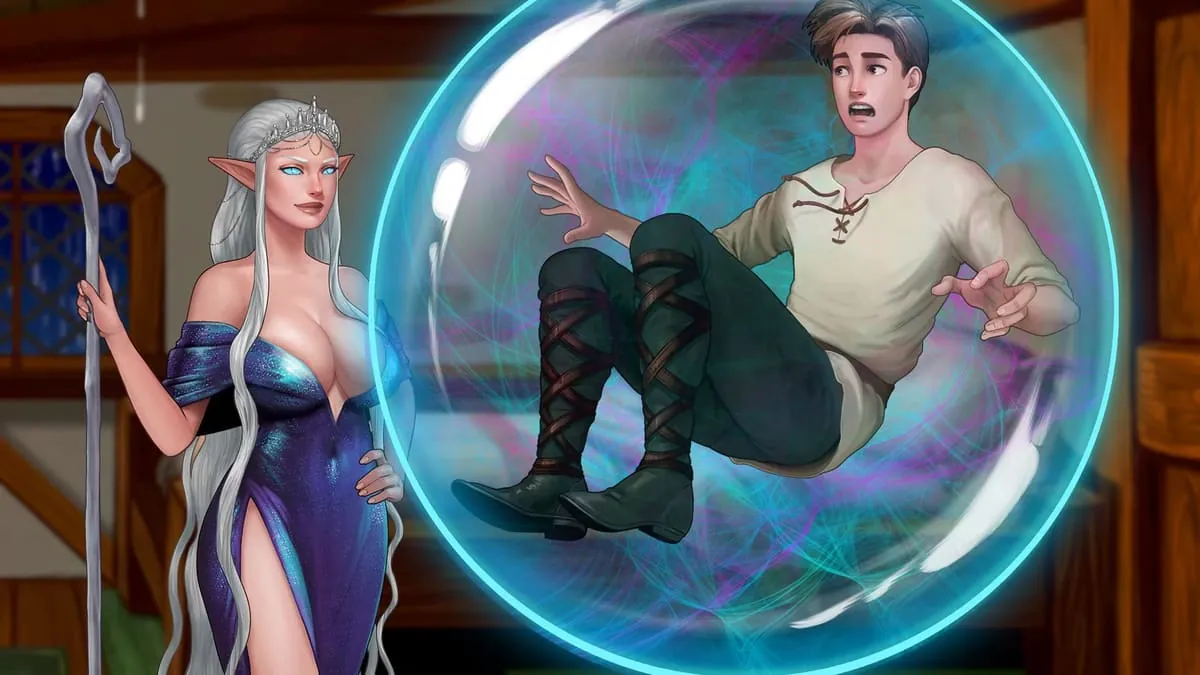
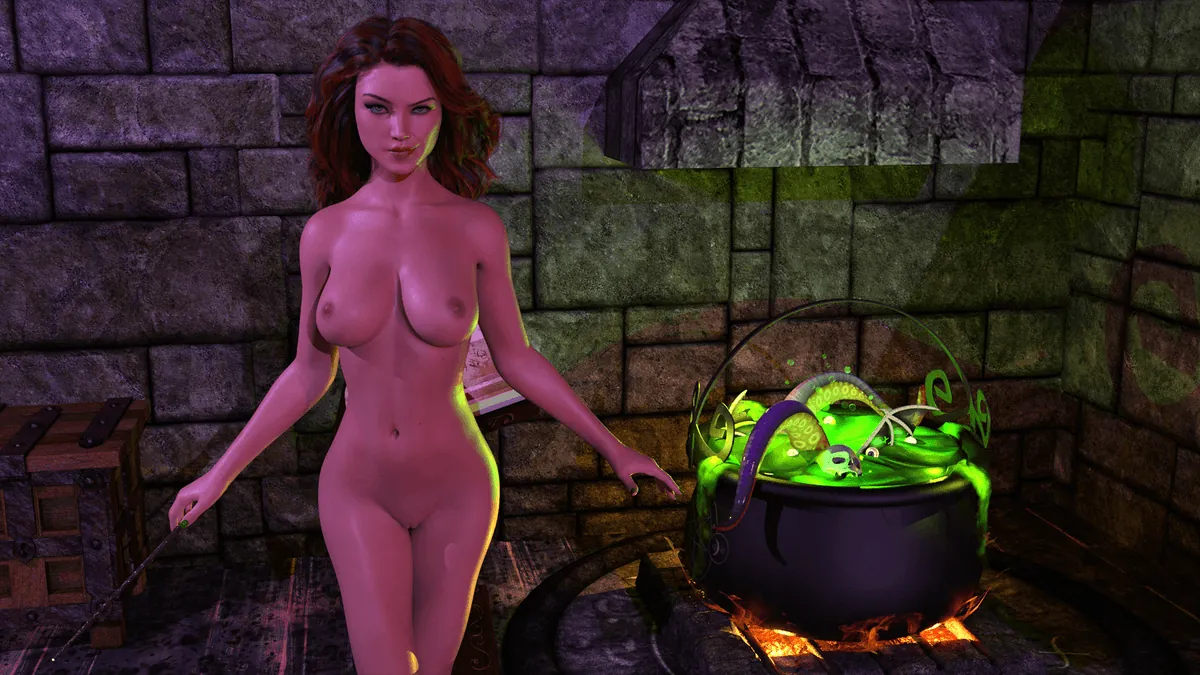
Triangle Screenshots








Triangle review
Story, choices, and personal impressions of the Triangle game experience
Triangle is an adult-focused game that blends visual novel storytelling, character-driven choices, and explicit scenes into one distinctive experience. If you are curious about what makes Triangle different from other mature games, this guide walks through how the narrative unfolds, how decisions shape relationships, and what type of scenes and content you can expect. I will mix in personal impressions and practical tips, so you can decide whether Triangle fits your tastes before you dive in.
What Is Triangle and Who Is It For?
So, you’ve heard the name Triangle game floating around. Maybe a friend mentioned it, or you saw it in a forum. Your brain might immediately jump to geometry or a puzzle title, but we’re talking about something entirely different. This Triangle is a captivating, choice-driven adult Triangle game that’s all about story, relationships, and emotional connection. If you’re new to this space, you might be wondering: what exactly is this game, and is it for me? 🤔
Let’s pull up a virtual chair and have an honest chat. This chapter is your friendly, no-pressure Triangle game overview. We’ll dig into the core premise, meet the fascinating Triangle characters, and figure out exactly who is Triangle for. Consider this your spoiler-free orientation before you decide to dive in.
Core concept and setting of Triangle
At its heart, Triangle is a visual novel. Think of it less as a traditional “game” with action sequences or complex puzzles, and more like an interactive, branching storybook where you are the main character. Your primary tools are your eyes for reading and your mouse (or finger) for making choices. The Triangle game experience is designed for adults who enjoy narrative depth, where the “gameplay” is navigating conversations and relationships.
The core premise is beautifully focused. You step into the shoes of a protagonist who finds themselves intertwined with a small, intimate group of people. The “triangle” metaphor isn’t about a love triangle in the cliché sense, but rather the complex, shifting dynamics between three core personalities. The setting is often a relatable, modern environment—a shared house, a close-knit friend group, or a new job—that quickly becomes charged with possibility and tension.
The overall tone? It leans into drama and genuine emotional connection, with moments of warmth, flirtation, and sometimes, awkwardness that feels very human. It’s not a pure comedy, but the writing has a natural wit. It’s not overwhelmingly dark, but it explores real vulnerabilities. Progression is simple: you read beautifully illustrated scenes and dialogue, and at key moments, you’re presented with choices. 🗣️ ➡️ 💭
These choices can be subtle—a supportive comment versus a playful tease, deciding who to spend time with, or how to react to a personal revelation. Each decision nudges your affinity with different characters, slowly unlocking deeper conversations, private moments, and eventually, the game’s explicit adult scenes. These scenes are woven into the narrative as a culmination of emotional intimacy, not just random occurrences. This is a story-led experience first and foremost.
Important Tip: Approach Triangle like you’re curating your own romance or drama series. Your choices are the director’s cuts, shaping which character’s story you explore most deeply. There is no “winning,” only experiencing a path.
In this Triangle game review segment, it’s crucial to emphasize that this article is solely about this specific adult visual novel. We’re not discussing other titles, general content, or, you know, actual shapes. This is a deep dive into one particular narrative experience.
Main characters and relationship dynamics
The magic of any great visual novel lives and dies with its cast, and Triangle understands this perfectly. The Triangle characters aren’t just archetypes; they feel like people with distinct histories, insecurities, and desires. Your journey is about discovering who they are beneath the surface.
Typically, you’ll encounter three main routes, each offering a totally different flavor of story. Let’s say you have:
* The Confident One: Often outwardly charming and self-assured, this character’s route is about discovering the vulnerabilities they hide from the world. Building trust with them feels like a genuine achievement.
* The Reserved One: Quiet, perhaps a little mysterious or emotionally guarded. Their path is slow-burn and intensely rewarding, focusing on creating a safe space for them to open up.
* The Playful One: Brings humor and lightness to the group. Their route might feel more flirty and fun initially, but often explores surprising emotional depth beneath the cheerful exterior.
The relationship dynamics are all about influence through choice. Do you agree with Character A when they criticize Character B, or do you defend them? Do you share a personal secret when prompted, or keep your cards close to your chest? These dialogue options build invisible meters of affinity, trust, and romance.
Here’s a short, anecdotal example from my first playthrough: I was instantly drawn to the Reserved character, let’s call them Alex. 😊 Throughout the story, I consistently chose options that were patient, asked open-ended questions, and offered support without pressure. When Alex shied away from a group event, I had the choice to coax them or say “I’ll stay back with you.” I chose the latter.
That single choice unlocked an entire evening of one-on-one conversation that never happened in other playthroughs. We shared a quiet drink, they revealed a passion for painting they never discussed publicly, and the tone shifted from friendly to intimately tender. This path led to scenes that felt earned and deeply connected, focused on emotional vulnerability first. It completely changed the climax of my story compared to when I later replayed focusing on the Confident character, which was all about passionate, charged encounters and breaking down walls of pride.
To help you see which path might call to you, here’s a quick breakdown of the main Triangle characters:
| Character (Archetype) | Personality Vibe | Route Experience |
|---|---|---|
| **The Confident Charmer** | Outwardly self-assured, ambitious, a natural leader. Can come off as arrogant but is fiercely loyal. | A **dramatic** and passionate path. Unlocks scenes full of high emotion and charged tension, about breaking down facades. |
| **The Reserved Soul** | Thoughtful, artistic, a bit introverted. Observant and deeply feeling, but slow to trust. | A **slow-burn, romantic** path. Focuses on quiet moments, deep conversations, and building profound emotional intimacy. |
| **The Playful Friend** | Energetic, funny, the group’s mood-lifter. Uses humor to deflect, but has a heart of gold. | A **flirty and playful** path that evolves into genuine warmth. Expect fun, teasing dynamics that mature into real connection. |
The beauty of the Triangle visual novel format is that you can replay and explore each route, seeing how the same story events feel completely different from another character’s perspective. 🎭
Is Triangle the right game for you?
This is the million-dollar question, and the answer isn’t the same for everyone. Let’s do a quick self-check to see if the Triangle game experience aligns with what you enjoy.
You will likely LOVE Triangle if:
* You enjoy reading-heavy experiences and get absorbed in a good story.
* You love analyzing character motivations and savoring emotional, flirty, or tense dialogue.
* You prefer character-driven storytelling where relationships are the main plot engine.
* You appreciate the idea of explicit scenes as a narrative payoff for built-up intimacy, rather than the sole goal.
* You like the “choose your own adventure” format and replaying to see different outcomes. 🔀
You might want to think twice if:
* You need fast-paced action, quick-time events, or strategic gameplay to stay engaged.
* You get impatient with lots of text and minimal traditional “game” mechanics.
* You prefer games with a single, definitive storyline rather than branching character-specific routes.
* You’re looking for a game with vast customization, skill trees, or open-world exploration.
My most practical piece of advice? Adjust your mindset. Don’t boot up Triangle expecting a typical video game. Instead, treat it like settling in with a fantastic novel or binge-worthy TV show where you get to guide the protagonist’s decisions. Make choices that feel true to you, or role-play a specific type of personality, and see where the story takes you.
So, who is Triangle for in a nutshell? It’s for the story-lover, the character-enthusiast, and the player who finds romance and drama in conversation and connection. It’s for adults seeking a mature, thoughtful visual novel where the heat arises from emotional friction as much as physical attraction.
If that sounds like your cup of tea, then you’ve found your next interactive story. If you need constant gameplay stimulation, this might not be your match—and that’s perfectly okay! This honest Triangle game review aims to set the right expectations, so you can step into its world knowing exactly what kind of journey awaits. Your choices, and your connections, are waiting. ✨
Triangle is best approached as an interactive story that happens to lean heavily into adult themes, rather than a traditional action-focused release. Its real strength lies in slowly getting to know the cast, making small but meaningful choices, and seeing how those decisions pay off later in conversations and scenes. If you enjoy spending time with characters, exploring different routes, and treating each playthrough as a personal story, Triangle can be a rewarding way to relax and unwind. If you decide to try it, start with the character who intrigues you most, pay attention to how your choices shift their reactions, and let the story unfold at its own pace.