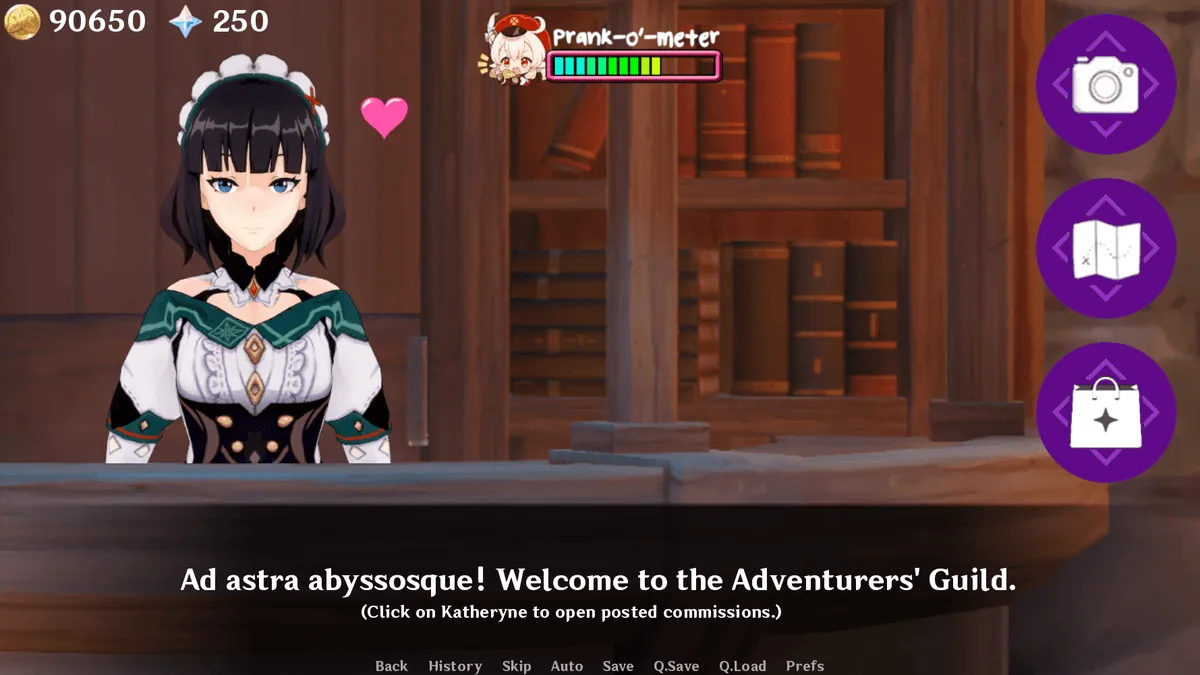
Family Affair
Play Family Affair
Family Affair Screenshots







Family Affair review
Master the immersive world of Family Affair and unlock every secret path
Ever wondered what happens when family ties twist into something intensely personal and thrilling? Family Affair pulls you into a gripping interactive adventure where your choices shape steamy relationships and hidden dramas within a close-knit household. This game isn’t just play—it’s a deep dive into dynamic storytelling with first-person exploration, affinity tracking, and branching narratives that keep you hooked for hours. From managing resources to crafting dialogue that unlocks private moments, Family Affair delivers a unique blend of strategy and immersion. If you’re ready to explore its core mechanics and player-driven outcomes, let’s get into what makes this title a standout in adult gaming.
What Makes Family Affair Gameplay So Addictive?
I remember the exact moment I was hooked. It was my first evening playing Family Affair, and I was just trying to get to know Uncle Leo. He was grumbling about the old family business, and I had two options: a polite “That sounds tough,” or a more direct “Maybe it’s time to let go.” Thinking I was being supportive, I chose the first. 🤷♂️ Big mistake. A week later in the game’s timeline, I discovered that single, seemingly gentle choice had cemented in his mind that I was a pushover. He completely shut me out of a major plot branch involving the family’s hidden fortune! I was stunned. That’s the magic of Family Affair gameplay—every word matters, and every decision ripples outward in the most thrilling ways.
This isn’t a game you just watch; it’s a world you live in. The core loop is deceptively simple: you explore the sprawling estate, talk to your complex relatives, and manage your day. But beneath that surface lies a web of interconnected Family Affair mechanics that create an experience that’s different for every player. Your journey is uniquely yours, defined by the alliances you forge and the secrets you uncover. Let’s break down what makes mastering how to play Family Affair so incredibly rewarding.
How Do Core Mechanics Drive Your Choices?
At its heart, Family Affair gameplay is built on three pillars: exploration, conversation, and consequence. You navigate the grand, atmospheric house in first-person view, clicking on everything from dusty photo albums to half-open desk drawers. 🔍 This isn’t just for set-dressing; you’ll find crucial story clues, hidden cash, and items that can boost your affinity with certain characters. Think of the house itself as a character, with its own stories to tell if you’re observant.
The real meat of the Family Affair mechanics, however, lives in the dialogue. Every conversation presents you with Family Affair choices that are rarely about good or evil. Instead, they’re shaded with emotional tones like Comfort, Flirt, Challenge, or Deceive. Choosing to Challenge your shrewd aunt about her motives will lead down a radically different path than if you had chosen to Flirt to win her over. These aren’t just flavor text; they are direct inputs into the game’s invisible ledger of plot flags—triggers that lock or unlock future story events, sometimes hours later.
To visualize how these core systems work together, here’s a breakdown:
| Mechanic | Description | Player Impact |
|---|---|---|
| First-Person Exploration | Clickable environments filled with clues, resources, and narrative details. | Directly fuels resource gathering and unlocks special dialogue options or story beats. Finding a lost letter can change a whole relationship. |
| Dialogue Choices | Options tied to emotional tones (Comfort, Flirt, Challenge, etc.) rather than literal text. | Builds or burns affinity instantly and sets invisible plot flags that determine long-term story branches and endings. |
| Affinity System | Tracks four metrics (Trust, Affection, Fear, Respect) for each character independently. | Dictates how characters react to you, what secrets they share, and which unique story routes become available. High Affection with one sibling might lock you out of a conspiracy with another. |
| Plot Flags | In-game triggers activated by specific choices or affinity thresholds. | Creates lasting consequences and divergent narrative paths. A flag set on Day 2 might determine who comes to your aid on Day 10. |
The genius of these Family Affair mechanics is their immediacy. You often see the impact of a choice in the next line of dialogue or the character’s expression, making you lean in, desperate to get the next interaction “right.” But what does “right” even mean? That depends entirely on the relationship you’re trying to build, which is where the game’s true depth opens up.
Unlocking the Affinity System for Deeper Connections
Forget a simple like/dislike bar. The affinity system Family Affair uses is a masterpiece of social simulation. Every major character has four independent relationship metrics that you influence: Trust, Affection, Fear, and Respect. 🧩 This means you can have a relationship built on high Respect and Fear (a formidable ally), or high Affection and low Trust (a passionate but rocky romance). Watching these numbers tick up or down in real-time after a choice is half the drama!
This system is the engine behind the Family Affair plot branches. You won’t just get “the good ending” or “the bad ending.” You’ll get your ending, shaped by which metrics are highest with which characters. For example, to unlock Uncle Leo’s secret business proposal, you might need high Respect and Trust. But to discover your cousin’s hidden vulnerability, you might need high Affection. You cannot max out everything with everyone—your choices actively close some doors as they open others, which is the key to the game’s legendary replayability.
My practical, actionable advice? Take notes. Seriously, keep a small notebook or a digital doc open. 📓 Jot down what tone of choice seemed to boost Respect with Arthur, or what item made Sofia smile. The game doesn’t spell this out, and discovering these patterns is a puzzle in itself. Planning your approach to a character based on your desired outcome is where Family Affair gameplay transitions from playing a story to crafting one.
Mastering Time Management and Resource Strategies
Here’s where how to play Family Affair becomes a strategic daily puzzle. Each in-game day, you have a limited pool of Energy. Every action—exploring a new room, engaging in a deep conversation, working a part-time job—costs Energy. This is the core of Family Affair resource management. You cannot do everything in one day, so you must plan. Do you spend your energy digging for clues in the attic, or do you go to town to earn extra Money to buy a gift that will skyrocket your Affection with a key character?
Your resource dashboard is your command center. Alongside Money and Energy, you’ll manage your Skills—like Charm, Intellect, or Perception. These skills aren’t just numbers; they unlock specific dialogue and action options. Neglecting your Skills is a common beginner pitfall! You might find a clue requiring high Perception to examine, or face a dialogue option requiring Intellect that you can’t select. I learned this the hard way when I couldn’t decrypt a vital document because I’d spent all my time boosting Charm.
Let me walk you through a sample strategic day:
1. Morning: Use 1 Energy to explore the library (high Perception check finds a hidden ledger). Use 1 more Energy to discuss it with Aunt Clara, choosing Challenge dialogue to boost Respect.
2. Afternoon: Spend 2 Energy at a part-time job to earn $50. This is crucial for Family Affair resource management.
3. Evening: Use your Money to buy a specific book from the store, then use your last Energy to gift it to your bookish sister, triggering a big Affection and Trust boost and a unique, whispered confession from her. ✨
This planning is constantly interrupted by timed events and decisions—a cousin bursting in needing immediate advice, or a family meeting called on the spot. These moments test your preparedness and force you to live with snap judgments, making the world feel alive and urgent.
Pro Tip: Don’t reload immediately after a “bad” choice! Some of the most fascinating Family Affair plot branches come from recovering from a mistake or dealing with unintended consequences. The story often becomes more rich and personal when it doesn’t go perfectly.
For those just starting their family journey, here are my top insights to avoid early frustration:
* Balance your week. Don’t spend three days in a row just talking. Mix in skill-building activities and money-making jobs.
* Specialize early. Pick one or two characters to focus your initial affinity-building efforts on. Trying to please everyone leads to mediocre relationships with all.
* Save strategically. Have multiple save files at the start of key days or before major family events. This lets you explore different Family Affair choices without replaying dozens of hours.
* Embrace the missables. Part of the charm is knowing your story is unique. You will miss content on a first playthrough, and that’s what makes a second run so exciting.
Family Affair gameplay pulls you into its world by making you the author of a messy, dramatic, and deeply personal family saga. By understanding its layered mechanics, nurturing its complex affinity system, and planning your resources wisely, you stop being just a player and become the architect of your own unforgettable story within the estate walls. 🏰
Your Family Affair Quick-Start FAQ
What exactly are ‘plot flags’?
Plot flags are invisible triggers the game sets based on your specific actions and choices. Think of them as the game’s memory. Siding with one sibling in an argument, discovering a hidden clue, or reaching a certain affinity level can all set a flag that will change how the story unfolds much later, determining which Family Affair plot branches become available to you.
How does the affinity system actually affect the endings?
Endings are less about a single score and more about the state of your web of relationships. The affinity system Family Affair uses determines which characters are close to you, what secrets they’ve shared, and what their final goals are. Your ending is a culmination of which character’s storylines you successfully completed, which is entirely dependent on your affinity levels with them. There are dozens of variations.
What’s the best strategy for a first-time player?
For your first run, I recommend focusing on Family Affair resource management by balancing Energy use, and picking one or two family members you instinctively like to build a strong bond with. Explore freely, take notes on what works, and most importantly, don’t stress about perfection. Live with your Family Affair choices and see where your unique story takes you—it’s the most rewarding way to experience the game for the first time.
Family Affair isn’t just a game—it’s your canvas for weaving intimate stories through smart choices, affinity building, and clever resource play. From my own runs, nailing those dialogue trees and plot flags led to wildly different outcomes that kept me coming back. Whether you’re chasing specific paths or experimenting freely, this title rewards patience and strategy with unmatched depth. Dive in today, grab the latest version, and start shaping your own family saga. What’s your first big decision going to be? Share in the comments and let’s compare notes!