
Lucky Paradox
Play Lucky Paradox
Lucky Paradox Screenshots













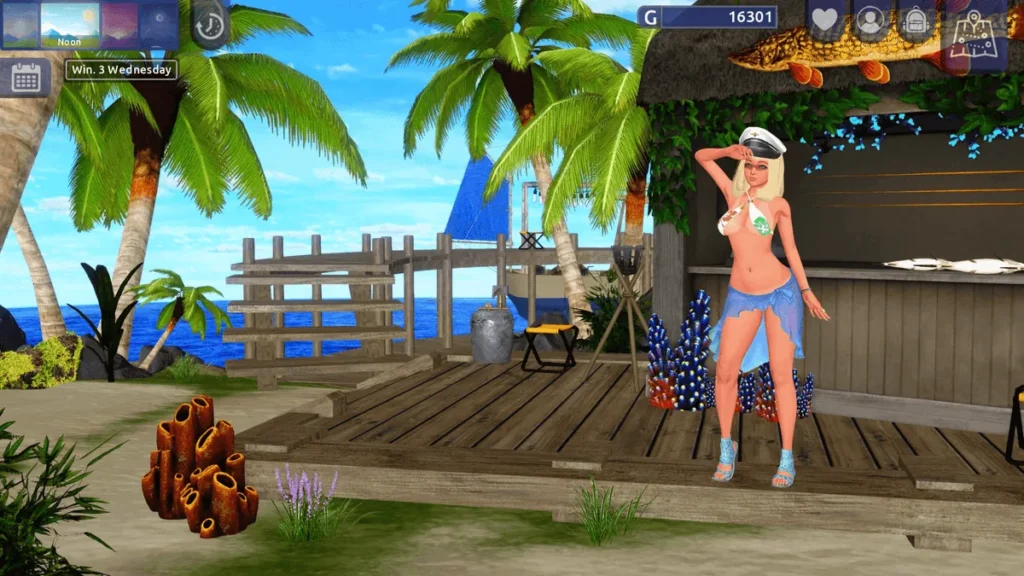


Lucky Paradox review
Explore storyline, characters, and gameplay mechanics in this narrative-driven interactive experience
Lucky Paradox stands out as a narrative-focused interactive experience that prioritizes storytelling alongside character development. Unlike typical games in its genre, this title emphasizes emotional depth and meaningful choices that shape player outcomes. The game features complex character interactions, branching storylines, and decision-making mechanics that influence relationship dynamics. Players consistently praise the originality of the narrative structure and the quality of character development. Whether you’re interested in romance-driven narratives, choice-based gameplay, or character-centric storytelling, Lucky Paradox offers a compelling experience worth exploring.
Story, Characters, and Narrative Design in Lucky Paradox
You know that feeling when you finish a story and just sit there, staring at the screen, because the characters feel so real that you’re not ready to say goodbye? 😔 That’s the special kind of magic Lucky Paradox weaves. This isn’t just another visual novel; it’s a meticulously crafted narrative-driven game experience that puts profound, heartfelt storytelling and deep human connection at its very core.
Forget predictable plots and archetypal love interests. Lucky Paradox throws you into a world where every conversation is a crossroads, every friendship is a journey, and every glance holds weight. It’s a game that asks, “What kind of person are you, and what kind of relationships will you build?” Your answers shape everything.
Ready to dive into the heart of this unforgettable story? Let’s explore what makes its narrative and characters so captivating. ✨
What Makes the Storyline Unique?
At first glance, the premise of Lucky Paradox might seem familiar: a new chapter of life begins at a unique academy. But within minutes, the game masterfully peels back these layers to reveal a story rich with emotional honesty, unexpected twists, and a profound sense of consequence. The Lucky Paradox storyline is unique because it treats its central romantic tension not as a foregone conclusion, but as a delicate, evolving mystery rooted in personal history and raw emotion.
What truly sets it apart is its commitment to emotional depth over theatrical drama. The conflicts feel authentic—miscommunications that stem from real insecurity, tensions that arise from clashing life goals, and joys found in small, shared moments. I remember one late-night conversation in the game’s common room, where a choice seemed simple: offer encouragement or give space. Choosing “give space” led to my character sitting in silence with a friend, which later unlocked a vulnerable confession about family pressure that never appeared if I’d chosen the more outwardly supportive path. It taught me that the Lucky Paradox storyline often values quiet understanding over grand gestures.
The game’s originality shines in its structure. Rather than a linear march toward a single ending, the narrative feels like a living tapestry. Your daily choices—who to sit with, what club to visit, how to spend your free time—actively pull on different threads of the story. This creates a powerful sense that your version of the narrative-driven game experience is uniquely yours, built from hundreds of small, meaningful decisions.
Tip: Don’t rush through dialogues! The most poignant parts of the Lucky Paradox storyline are often hidden in optional, follow-up questions that appear only if you show continued interest in a topic.
Character Development and Relationship Dynamics
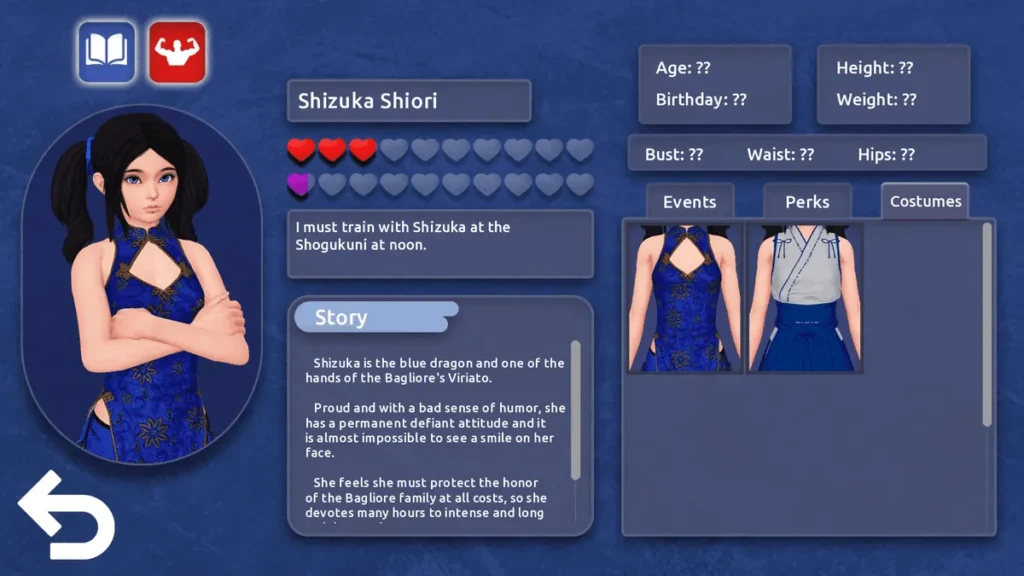
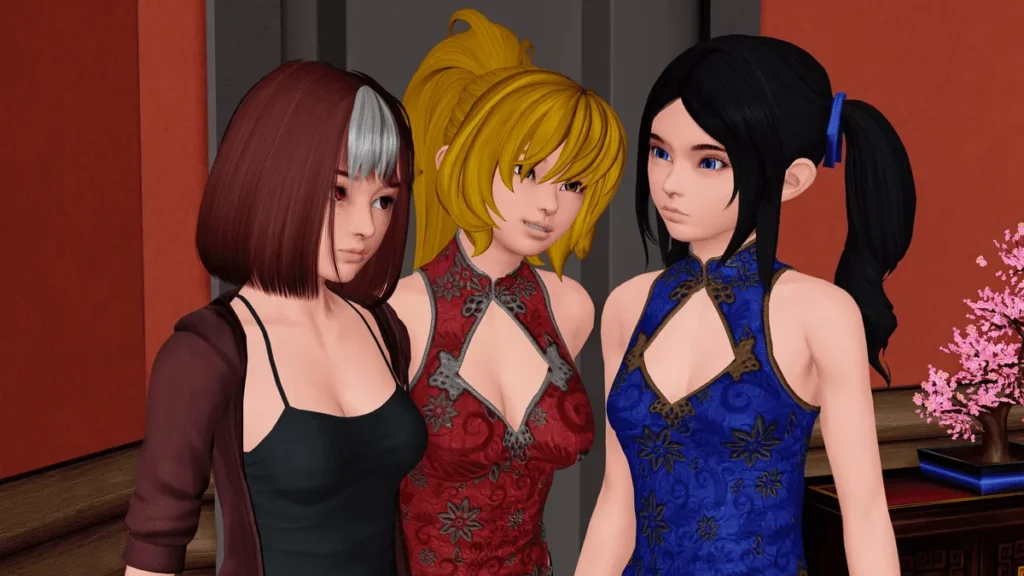
If the story is the heart of Lucky Paradox, then the Lucky Paradox characters are its soul. This is where the game truly excels as a character development interactive game. Each character is introduced with dimensions and contradictions, avoiding simple tropes. The aloof student has a hidden passion for art, the cheerful social butterfly harbors deep-seated anxieties about the future, and the seemingly perfect mentor struggles with their own past regrets.
The relationship progression mechanics are beautifully intertwined with this personal growth. Relationships don’t just level up with points; they evolve through shared experiences and earned trust. You might start a gardening project with a character who is closed off, and through that shared, silent work, slowly unlock pieces of their backstory. The game tracks your connection through multiple axes—like Trust, Understanding, and Affinity—each influencing different types of scene outcomes and dialogue options.
This system makes every interaction feel significant. A conversation isn’t just about picking the “right” answer to increase a meter; it’s about choosing the response that aligns with how you want the relationship to grow. Do you want to be this character’s confident protector, or their challenging equal who pushes them to be better? The character development interactive game design allows for these nuanced dynamics to flourish.
Central to the experience are the romantic storylines, which are handled with remarkable tenderness and complexity. The emotional tension feels earned, built from countless shared glances, private jokes, and moments of mutual support. The game develops these arcs not through sudden declarations, but through a gradual intertwining of lives and goals. You witness a character’s personal struggles and triumphs, and your role in those moments directly shapes the depth and direction of your bond.
| Character | Core Conflict | Relationship Growth Path |
|---|---|---|
| Kai | Balancing family legacy with personal artistic dreams | Through supporting his secret projects or urging practicality |
| Maya | Overcoming perfectionism and fear of failure | By being a safe space for vulnerability or a motivator through challenge |
| Leo | Reconciling a cheerful facade with past loneliness | Via consistent, quiet presence or encouraging new social connections |
How Player Choices Impact the Narrative
This is where Lucky Paradox transforms from a great story into a personal masterpiece. The game’s philosophy is clear: choices should have weight. This is achieved through a sophisticated web of branching narrative choices that create genuine player choice consequences.
The brilliance lies in the cascade effect. An early, seemingly insignificant choice—like offering to help a character carry books—might establish you as “kind and helpful.” Hours later, that same character, in a moment of crisis, might seek you out specifically because of that established trait, opening a story branch completely unavailable to players who took a different initial path. I learned this the hard way on my second playthrough. I’d been more sarcastic and independent early on, and was shocked to find a major mid-game confidante was now cold and distant, changing the entire emotional core of that act.
The player choice consequences range from the immediate to the long-term:
* Dialogue & Scene Variance: Conversations change based on your past actions and established relationship dynamics.
* Story Branch Lock/Unlock: Major plot events, special scenes, and even entire character routes can become accessible or be permanently closed off.
* Emotional Payoff: The culmination of romantic and friendship arcs is entirely dependent on the history you’ve built, leading to profoundly different endings that feel like a direct result of your journey.
Example: The Festival Conflict Resolution
Let’s look at a pivotal scene. During the campus festival, two central Lucky Paradox characters, let’s call them Alex and Sam, have a heated argument over the direction of your shared project. The game presents you with a critical branching narrative choices moment:
- Side with Alex’s ambitious vision. (Requires high “Trust” with Alex)
- Support Sam’s cautious, detail-oriented approach. (Requires high “Understanding” with Sam)
- Propose a risky, middle-ground compromise. (Only available if you’ve previously demonstrated diplomatic skills in minor events)
- Ask them to pause and talk it out privately. (Unlocks a hidden scene if your bond with both is strong)
Choosing option 1 might secure the project’s success but damages your bond with Sam, who later becomes less supportive in personal matters. Option 3, the compromise, could lead to a unique, hybrid festival stall that becomes a running joke and a symbol of your teamwork for the rest of the game. This one decision ripples out, affecting group dynamics, future collaborative scenes, and even the dialogue options in the finale. It’s a perfect microcosm of the game’s design: your values and your relationships directly author the plot.
FAQ: Your Questions About the Story & Characters
-
How many different endings does Lucky Paradox have?
The game features multiple core endings for each major character route, plus numerous variations within those endings based on your key decisions. Think of it as having several distinct novels, each with its own set of potential epilogues. -
Can I rebuild a relationship if I make a bad choice?
Often, yes! While some major crossroads lock paths, the relationship progression mechanics allow for repair over time. Consistency in your actions and making amends through later, specific choices can mend fences, though the relationship may grow in a different direction than originally possible. -
Is there a “true” route or best ending?
The developers have stated there is no single canonical “true” ending. The best ending is the one that feels most authentic to the relationships you cultivated and the person you chose to be throughout your narrative-driven game experience. This philosophy reinforces the power of player choice consequences. -
How does the game handle conflict between romance and friendship?
With remarkable nuance. Pursuing a romance might temporarily strain a friendship if that friend also had feelings, but the game provides opportunities to navigate this with honesty. You can often choose to preserve the friendship in a new, respectful form, adding layers of bittersweet realism to the character development interactive game.
In the end, Lucky Paradox stands as a testament to the power of interactive storytelling. It proves that when a Lucky Paradox storyline is built with care, when Lucky Paradox characters are given room to breathe and grow, and when branching narrative choices carry true weight, the result is more than a game. It’s a personal journey of emotion, connection, and consequence that stays with you long after the final choice is made. Your story is waiting to be written.
Lucky Paradox delivers a compelling experience for players seeking narrative depth and meaningful character interactions. The game’s strength lies in its commitment to storytelling quality, character originality, and player agency through consequential decision-making. With its emphasis on emotional development and relationship dynamics, Lucky Paradox demonstrates that interactive experiences can achieve professional-level narrative quality. The game appeals to players who value story-driven gameplay and character-centric narratives. For those interested in exploring a game that prioritizes emotional engagement and meaningful choices, Lucky Paradox represents a worthwhile investment of your time.